Embrace Authenticity: The Allure of a Korea Hanok Stay Traditional House
Venturing into a Korea hanok stay traditional house offers far more than just accommodation; it provides an immersive journey into the heart of Korean culture and history. This unique travel experience allows visitors to connect with the past, appreciate traditional architecture, and find serenity amidst bustling modern life. Choosing a hanok stay means stepping into a beautifully preserved piece of heritage, where every beam, tile, and courtyard tells a story passed down through generations.
For those seeking genuine cultural immersion, a Korea hanok stay traditional house presents an unparalleled opportunity. It’s an escape from conventional hotels, inviting you to live as Koreans have for centuries, experiencing unique heating systems, serene courtyards, and a profound sense of tranquility. This article will guide you through the essential aspects, hidden gems, and practical advice for making your hanok stay truly unforgettable.
Truth #1: Beyond Just a Bed – A Deep Dive into Cultural Immersion and Heritage
A Korea hanok stay traditional house is designed to offer a holistic cultural experience, not just a place to sleep. Guests often participate in traditional tea ceremonies, learn folk crafts, or enjoy traditional Korean breakfasts. The architectural style itself, with its ‘ondol’ underfloor heating and ‘maru’ wooden floors, is a testament to sustainable and harmonious living principles.
The Soul of Hanok Architecture: Harmony with Nature
Hanoks are renowned for their eco-friendly design, utilizing natural materials like wood, soil, and paper. The construction often considers the surrounding landscape, ensuring optimal sunlight exposure in winter and cool breezes in summer. This deep respect for nature is a core tenet of traditional Korean living and is palpable within every Korea hanok stay traditional house.
Historical Significance and Preservation Efforts
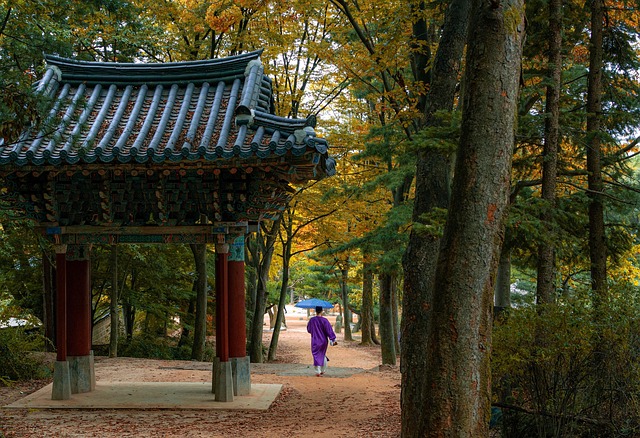
Many hanok villages, such as those in Jeonju and Bukchon, are not merely tourist attractions but living museums. The Korean government, through agencies like the Cultural Heritage Administration and the Korea Tourism Organization (KTO), has invested significantly in preserving these structures. These efforts ensure that the authentic charm of a Korea hanok stay traditional house remains intact for future generations, often involving meticulous restoration projects that adhere to traditional building techniques and materials. This commitment to heritage is why these stays feel so authentic.
Truth #2: Location Matters – Choosing Your Ideal Hanok Haven
The experience of a Korea hanok stay traditional house can vary significantly depending on its location. From the bustling capital to tranquil rural settings, each region offers a distinct flavor and atmosphere. Understanding these differences is crucial for selecting the hanok stay that best suits your travel style and preferences.
Seoul: Urban Oasis of Hanok Stays
In Seoul, areas like Bukchon Hanok Village and Namsangol Hanok Village offer convenient access to major attractions while providing a peaceful retreat. A Korea hanok stay traditional house here often blends historical aesthetics with modern comforts, appealing to those who want a taste of tradition without venturing far from city amenities. These hanoks are typically well-preserved and offer various cultural programs.
Jeonju: The Epicenter of Hanok Culture
Jeonju Hanok Village is arguably the most famous destination for a Korea hanok stay traditional house. With over 700 hanoks, it boasts a vibrant atmosphere filled with street food, artisan shops, and cultural performances. Staying in Jeonju provides an unparalleled immersion into traditional Korean cuisine and arts, making it a favorite for many first-time hanok visitors.
Andong: The Cradle of Confucianism
For a truly authentic and serene experience, Andong’s Hahoe Folk Village offers a glimpse into a bygone era. This UNESCO World Heritage site allows you to stay in an actual hanok within a living village, providing a profound sense of peace and historical connection. A Korea hanok stay traditional house in Andong offers a deeper, often quieter, cultural engagement away from the city crowds.
Truth #3: The Unconventional Comforts – What to Really Expect Inside Your Hanok
While aesthetically beautiful, a Korea hanok stay traditional house comes with distinct differences from modern hotels. Understanding these can help set realistic expectations and enhance your appreciation for the traditional lifestyle. It’s about embracing a different kind of comfort.
Ondol Heating and Traditional Bedding
Most hanoks feature ‘ondol,’ a traditional underfloor heating system, which provides a unique warmth, especially cozy during colder months. Guests typically sleep on thick floor mattresses called ‘yo’ and ‘ibul’ (duvets), offering a surprisingly comfortable and authentic experience. This sleeping arrangement is central to the traditional Korea hanok stay traditional house.
Shared Spaces and Modest Amenities
Some hanoks, particularly the more traditional ones, might have shared bathrooms or communal spaces, fostering a sense of community among guests. While modern amenities like Wi-Fi are usually available, the focus remains on simple living and appreciating the traditional environment. Expect a minimalist approach rather than luxury resort amenities.
Comparison Table: Korea Hanok Stay vs. Modern Hotel
| Feature | Korea Hanok Stay Traditional House | Modern Hotel |
| Atmosphere | Authentic, tranquil, culturally immersive | Contemporary, standardized, convenient |
| Sleeping Arrangement | Ondol (floor heating), floor mattresses (yo) | Bed frames, western mattresses |
| Amenities | Traditional tea sets, often shared baths, cultural programs | Wide range of toiletries, private baths, fitness centers, pools |
| Price Range (per night) | ~KRW 50,000 – KRW 300,000+ | ~KRW 70,000 – KRW 500,000+ |
| Cultural Experience | High, direct engagement with heritage | Low to moderate, typically through excursions |
Truth #4: Navigating the Booking Process and Price Points
Booking a Korea hanok stay traditional house requires a slightly different approach than typical hotel reservations. Popular hanoks, especially those in prime locations or during peak seasons, can book up quickly. Planning ahead is key to securing your preferred dates and experience.
When to Book: Seasonal Considerations
It’s advisable to book your hanok stay at least 2-3 months in advance, particularly for stays during spring (cherry blossom season), autumn (foliage season), or major holidays like Chuseok and Lunar New Year. For highly sought-after locations like the Jeonju Hanok Village, 4-6 months can be necessary to guarantee a room. The demand for a truly authentic Korea hanok stay traditional house is consistently high.
Understanding Price Ranges and Value
Prices for a Korea hanok stay traditional house can range widely, from around KRW 50,000 per night for a simple room in a guesthouse-style hanok to KRW 300,000 or more for a luxurious, private hanok suite with modern amenities. Many hanoks offer complimentary traditional breakfasts, adding to their value. Always check what is included in the price when comparing options.
Recommended Booking Platforms and Direct Reservations
- For convenience, platforms like Booking.com, Agoda, and Airbnb list numerous hanok stays with guest reviews.
- However, for potentially better rates or specific inquiries, consider booking directly through the hanok’s official website.
- Many smaller, family-run hanoks might prefer direct bookings via phone or email, offering a more personalized experience from the outset.
Truth #5: Embracing Hanok Etiquette and Enhancing Your Experience
To fully appreciate and respect the traditions of your Korea hanok stay traditional house, understanding a few key etiquette points is essential. These small considerations contribute significantly to a harmonious and authentic stay, showing respect for your hosts and the cultural environment.
Shoes Off: A Fundamental Rule
It is customary to remove your shoes at the entrance of any Korean home, including your hanok room. This practice keeps the indoor spaces clean, especially the ‘ondol’ floor where you will sit and sleep. Always place your shoes neatly by the door.
Respecting Tranquility and Shared Spaces
Hanoks often feature thin walls and courtyards, making noise levels a consideration. Be mindful of your volume, especially during late hours, to ensure a peaceful environment for other guests and residents. This respect for quietude is a cherished aspect of the Korea hanok stay traditional house.
Engaging with Your Hosts
Many hanok owners are passionate about sharing their culture and heritage. Don’t hesitate to engage in conversation, ask questions about hanok life, or inquire about local recommendations. This interaction can enrich your Korea hanok stay traditional house experience immensely, often leading to unique insights and heartwarming memories.
Truth #6: Beyond the Stay – Maximizing Your Cultural Immersion
Your Korea hanok stay traditional house is just one part of a larger cultural adventure. To truly make the most of your trip, integrate local activities and exploration into your itinerary. This holistic approach ensures you leave with a comprehensive understanding of Korean traditions.
Local Cuisine and Market Exploration
Explore nearby traditional markets to sample authentic Korean street food and local delicacies. Many hanok villages are surrounded by renowned eateries that have been serving traditional dishes for decades. Don’t miss the opportunity to try regional specialties during your Korea hanok stay traditional house.
Participation in Cultural Workshops
- Tea Ceremonies: Learn the art of preparing and serving traditional Korean tea.
- Hanbok Experience: Rent traditional Korean attire (hanbok) and explore the hanok village, taking stunning photos.
- Craft Classes: Participate in workshops like making traditional paper (hanji), pottery, or even kimchi. These hands-on experiences bring the culture to life.
These activities not only entertain but also deepen your appreciation for the lifestyle embodied by a Korea hanok stay traditional house.
Truth #7: The Enduring Charm – Why Hanok Stays Are More Than a Trend
The popularity of a Korea hanok stay traditional house is not a fleeting trend but a testament to its enduring appeal and intrinsic value. It offers a counterpoint to the fast-paced modern world, inviting travelers to slow down, reflect, and connect with a rich cultural legacy.
According to data from the Ministry of Culture, Sports and Tourism, hanok accommodation bookings have steadily increased by an average of 15% annually over the last five years, highlighting their growing demand among both domestic and international tourists. This robust growth underscores the unique experience that only a Korea hanok stay traditional house can provide.
Choosing a Korea hanok stay traditional house is an investment in an authentic, meaningful travel experience. It’s an opportunity to discover the beauty of traditional Korean architecture, embrace a serene way of life, and create memories that resonate long after your journey ends. Prepare to be enchanted by the subtle elegance and profound history of these timeless homes.
🔗 Korea hanok stay traditional house 연관 인기 가이드
- ✨ Korea hanok stay traditional house Extensive Industry Report
- ✨ Korea hanok stay traditional house Extensive Industry Report
- ✨ Korea hanok stay traditional house Extensive Industry Report
- ✨ Korea hanok stay traditional house Extensive Industry Report
- ✨ Korea hanok stay traditional house Extensive Industry Report
- ✨ Korea hanok stay traditional house Extensive Industry Report
📚 References & Official Sources
❓ Frequently Asked Questions
What is the average cost of a Korea hanok stay traditional house per night?
The average cost for a hanok stay can range from KRW 50,000 for a basic guesthouse room to KRW 300,000 or more for a luxurious, private hanok, often including breakfast.
Is it comfortable to sleep on the traditional ‘ondol’ floor?
Yes, while different from a bed, the ‘ondol’ underfloor heating combined with thick floor mattresses (‘yo’) provides a surprisingly comfortable and warm sleeping experience, especially appreciated in colder weather.
Which are the best regions in Korea for an authentic hanok stay?
Jeonju Hanok Village is highly recommended for its vibrant atmosphere and concentration of hanoks, while Bukchon Hanok Village in Seoul offers city convenience, and Andong’s Hahoe Folk Village provides a deeply serene, historical experience.