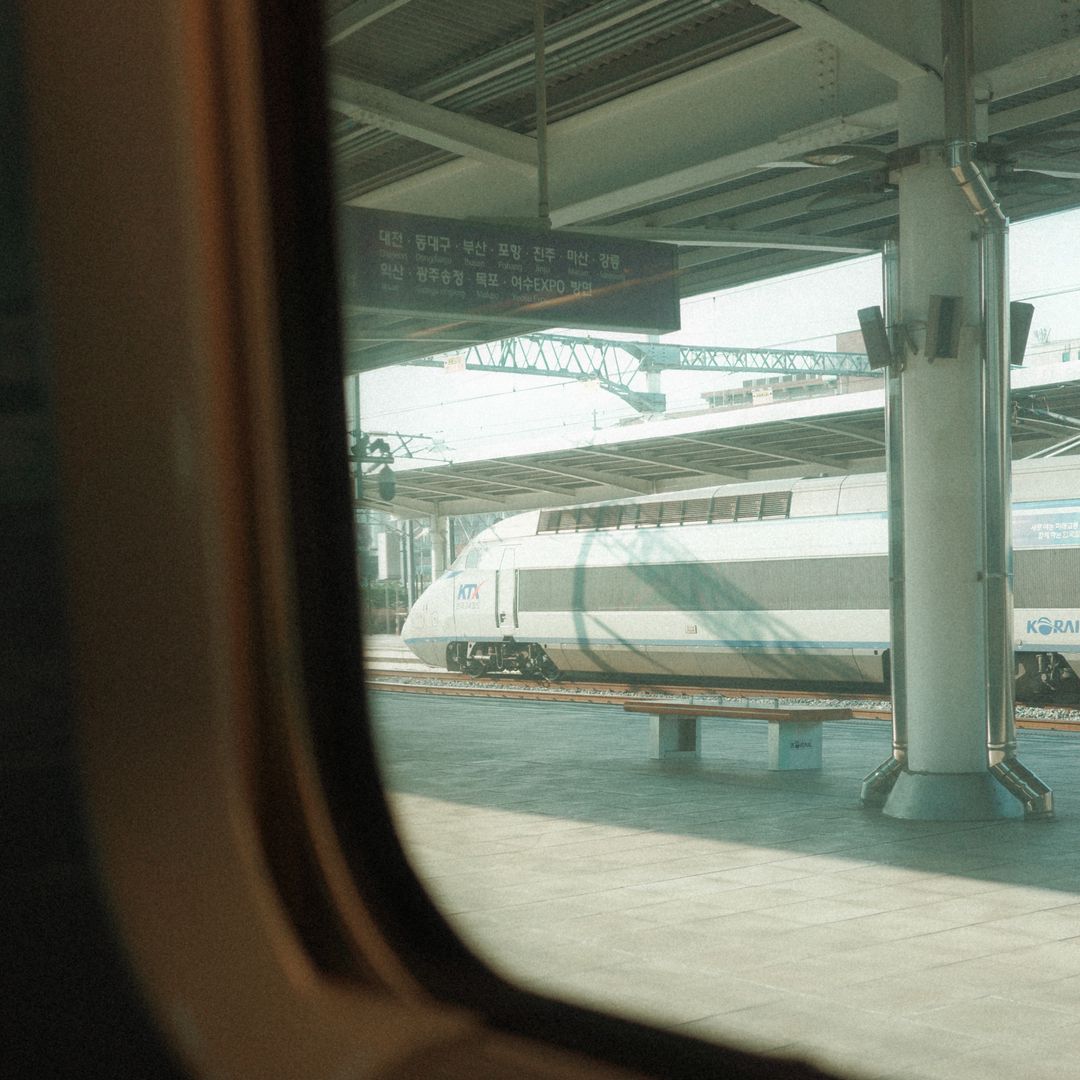
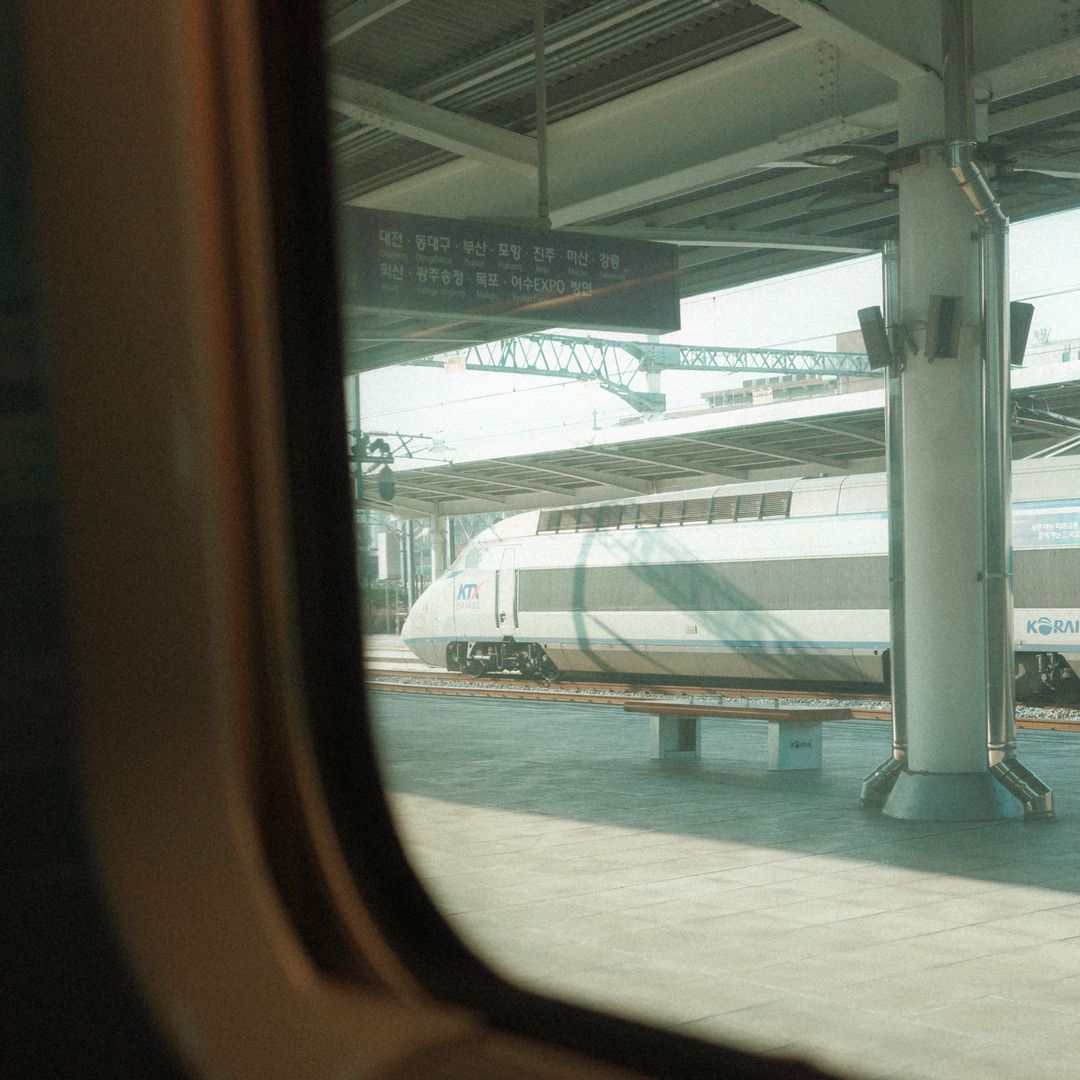
Coordinating a Seoul Gyeongju Busan KTX itinerary requires aligning high-speed rail schedules with regional bus networks to minimize travel time between major cultural hubs. This route is designed for travelers who prefer public transit over domestic flights, utilizing the KTX (Korea Train eXpress) network operated by KORAIL to move between the capital and the southern regions.
Travelers looking to balance metropolitan exploration with historical immersion find this path ideal. The journey begins in Seoul, the political and cultural heart of the nation, before transitioning to the Gyeongju basin for ancient architecture and concluding in the coastal metropolis of Busan. This sequence allows for a logical progression of scenery and atmosphere, supported by reliable infrastructure documented by the Visit Korea KTO.
Recommended Transport Progression
The high-speed rail network serves as the primary backbone for this trip. The transit sequence operates as follows:
- Phase 1: Start in the capital, utilizing the metro system for urban mobility and site access.
- Phase 2: Board the KTX at Seoul Station for the journey to Singyeongju Station.
- Phase 3: Use local buses or the dedicated tourist shuttle to reach the historic district.
- Phase 4: Take the KTX or SRT (Super Rapid Train) from Singyeongju to Busan Station.
Timed Itinerary Framework
A five-day schedule provides sufficient time to process the historical density of Gyeongju alongside the urban energy of larger cities. Visitors should prioritize early morning departures to maximize daylight hours at heritage sites.
| Location | Focus Area | Transit Mode |
|---|---|---|
| Seoul | Palaces and Museums | Metro / Bus |
| Gyeongju | Tumuli and Temples | Bus / Taxi |
| Busan | Coastal Culture | Metro / KTX |
While the metropolitan areas offer extensive public transit, Gyeongju relies more heavily on local buses and taxi services to reach sites scattered outside the central core. According to guidance from the Seoul Metropolitan Government, travelers should utilize T-money cards, which function seamlessly across all regional transport modes, including buses and trains.
Logistics, Costs, and Reservations
Securing tickets in advance is mandatory for high-speed rail during weekends and public holidays. Tickets can be purchased through the official KORAIL website or the mobile application. Prices vary based on class and booking time, so checking availability at least two weeks before travel is recommended.
Beyond logistics, the experience is enriched by local Food, which changes significantly as one moves south. Gyeongju is known for traditional sweets and grain-based dishes, while the coastal regions emphasize seafood. For those interested in deeper historical context, resources on Korea Culture provide helpful background on the significance of the sites visited throughout the trip.
Seasonal Considerations and Regional Extensions
Spring and autumn are the peak travel seasons due to moderate temperatures, though winter offers thinner crowds at major heritage sites. Visitors planning a longer stay might consider adding Jeju to their itinerary, which requires a short domestic flight or a ferry connection from the southern ports. Always check the official Visit Korea KTO portal for real-time site closures or maintenance schedules, as historical sites occasionally undergo conservation work that limits public access.
자주 묻는 질문 (FAQ)
Is the KTX the only way to travel between these cities?
While the KTX is the fastest public option, express buses are available. However, they take significantly longer and are less comfortable for long-distance travel.
Do I need to buy tickets in advance?
Yes, especially for weekend travel, as trains frequently sell out. You can reserve tickets online via KORAIL up to one month in advance.
Can I use the same transit card in all three cities?
Yes, T-money cards are accepted for subways, buses, and taxis in Seoul, Gyeongju, and Busan.
How do I get from Singyeongju Station to the city center?
Singyeongju Station is located outside the main city. Frequent local buses and taxis are available at the station exit to transport you to the historic downtown area.
Get in Touch
Have questions about your specific situation? Reach out anytime for a personal consultation.