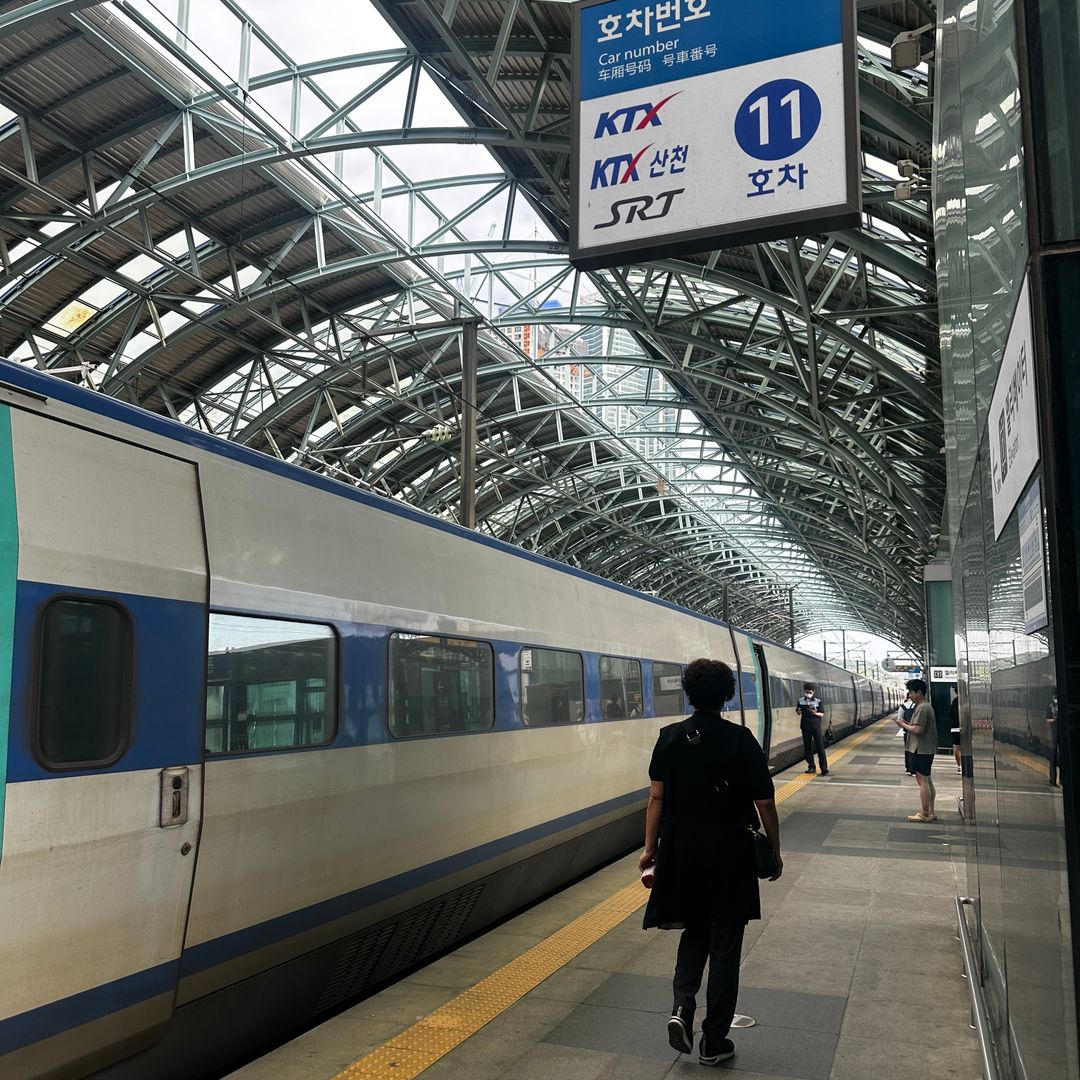
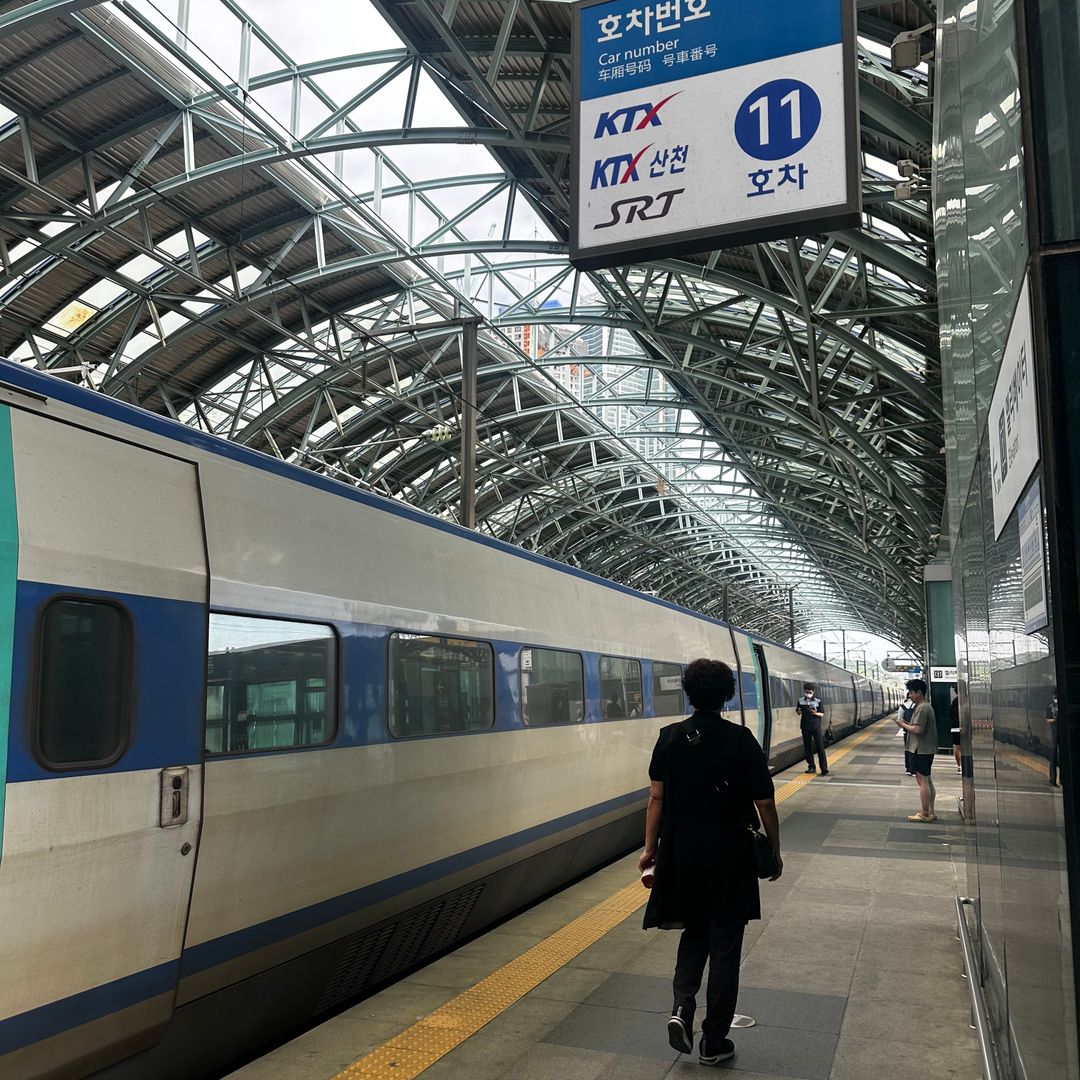
Targeting Efficient Connectivity Across Major Cities
The Seoul Gyeongju Busan KTX itinerary provides a structured framework for travelers seeking to bridge the gap between Korea’s metropolitan capital, its historical heart, and its primary coastal hub. This route is optimized for visitors who prioritize public transit over private vehicle rentals, relying on the extensive rail network managed by the Korea Railroad Corporation. By utilizing the high-speed rail system, tourists can minimize transit time between distinct cultural zones, allowing for a more immersive experience in each location. This plan is particularly well-suited for those balancing urban exploration in Seoul with the quieter, site-dense environments of Gyeongju and the harbor-side dynamism of Busan.
Strategic Transit Flow
The journey typically commences at Seoul Station, which serves as the primary gateway for long-distance rail travel. Travelers heading south often find that stopping in Gyeongju requires a transfer or a specific train selection, as the Gyeongju Station (Singyeongju) is located on the high-speed line separate from the historical city center. From there, the final leg to Busan is a brief journey, typically lasting less than forty minutes. This linear progression ensures that the transit logistics remain consistent regardless of the season.
| City Segment | Transit Mode | Approximate Travel Time | Primary Transit Hub |
|---|---|---|---|
| Seoul to Gyeongju | KTX/SRT | 2 Hours 10 Minutes | Singyeongju Station |
| Gyeongju to Busan | KTX/SRT | 35 Minutes | Singyeongju to Busan Station |
| Busan to Seoul | KTX/SRT | 2 Hours 45 Minutes | Busan Station |
Recommended Schedule for Regional Exploration
A balanced trip requires careful allocation of time to accommodate the varying density of attractions in each region. The following sequence allows for sufficient rest and site exploration while maintaining a steady pace.
- Days 1-3 (Seoul): Focus on central districts and palace heritage sites as outlined by the Seoul Metropolitan Government. Prioritize subway lines to reach major points of interest efficiently.
- Days 4-5 (Gyeongju): Reserve these days for the historic district. Utilize the local bus network to navigate between the tumuli (ancient burial mounds) and temple sites.
- Days 6-8 (Busan): Transition to the coastal city for temple visits and culinary experiences. Refer to guides on Food to locate traditional markets near the major rail terminals.
Reservation Protocols and Cost Management
Securing seats on the high-speed rail network is essential, particularly during weekends and national holidays. The Korea Railroad Corporation maintains a digital booking system that permits international visitors to reserve tickets up to one month in advance. According to the Visit Korea KTO, having a printed or digital copy of the booking confirmation is necessary for boarding. Costs for these tickets vary based on the specific train class and the timing of the reservation relative to the departure date. For those planning a broader Korea Travel experience, looking into rail pass options can offer significant savings if multiple long-distance trips are planned within a single week.
Accessibility, Seasonal Considerations, and Planning
Navigating these cities requires awareness of seasonal variables that impact transport and site access. During the summer, increased tourist volume may necessitate earlier booking of rail segments. Conversely, winter travel requires preparation for lower temperatures, particularly in Gyeongju, where outdoor heritage sites remain the primary draw. Travelers should ensure their accommodation is near central stations to facilitate luggage transport, especially if participating in events like a destination Wedding that might require attending functions in multiple urban centers. Always check the official KTO website for real-time updates regarding service suspensions or station maintenance that could influence regional connectivity.
자주 묻는 질문 (FAQ)
How far in advance should I book my KTX tickets?
You should book at least 30 days in advance, especially for travel during peak weekends or holidays.
Is the high-speed train station in Gyeongju near the main tourist sites?
No, Singyeongju Station is located outside the city center, requiring a local bus or taxi to reach the historic, central temple districts.
Can I use a single rail pass for all three cities?
Yes, the Korea Rail Pass allows for unlimited travel on most trains operated by the Korea Railroad Corporation for a set number of days.
Are there luggage storage facilities at these train stations?
Yes, all three major stations provide paid lockers and temporary luggage storage services for travelers.
Get in Touch
Have questions about your specific situation? Reach out anytime for a personal consultation.