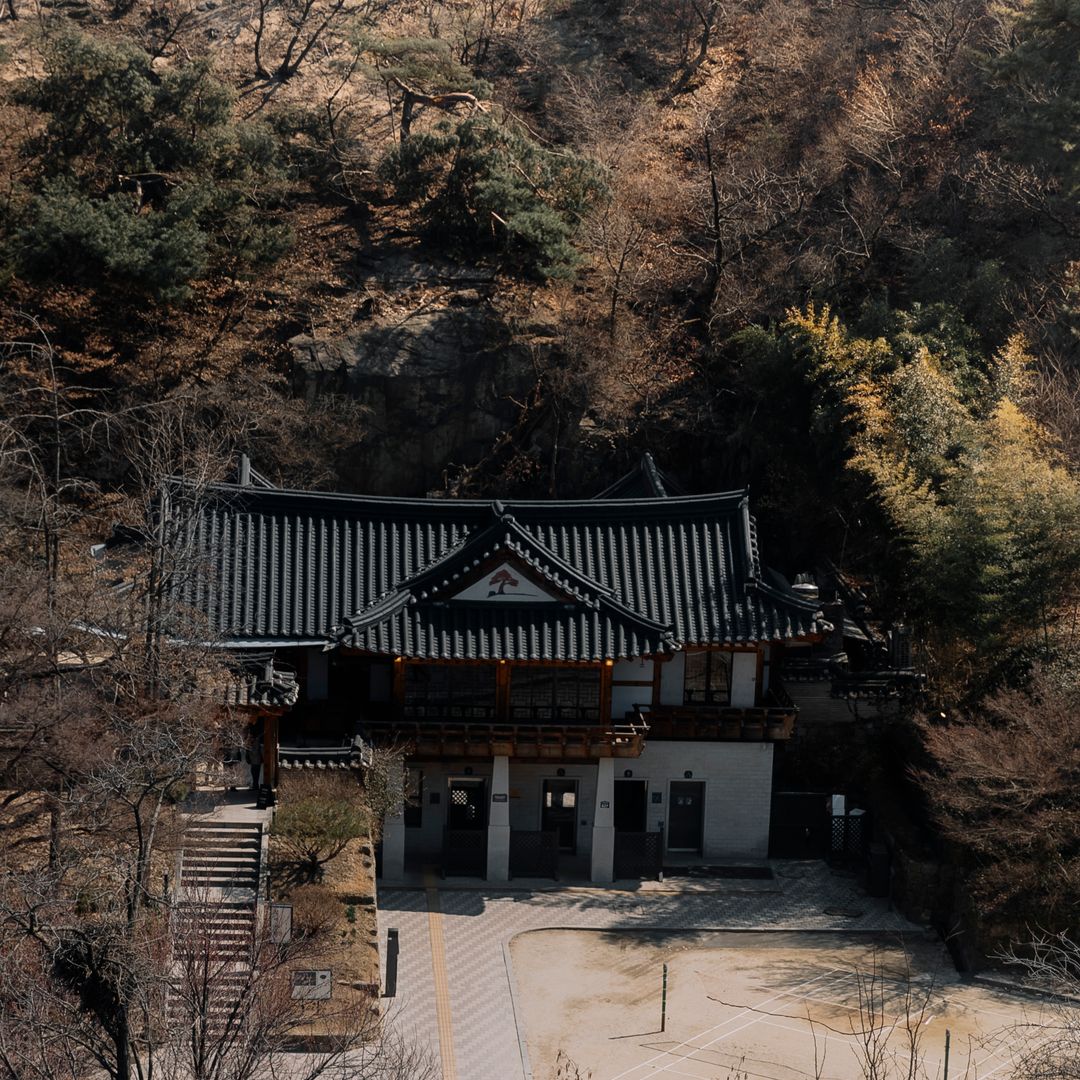
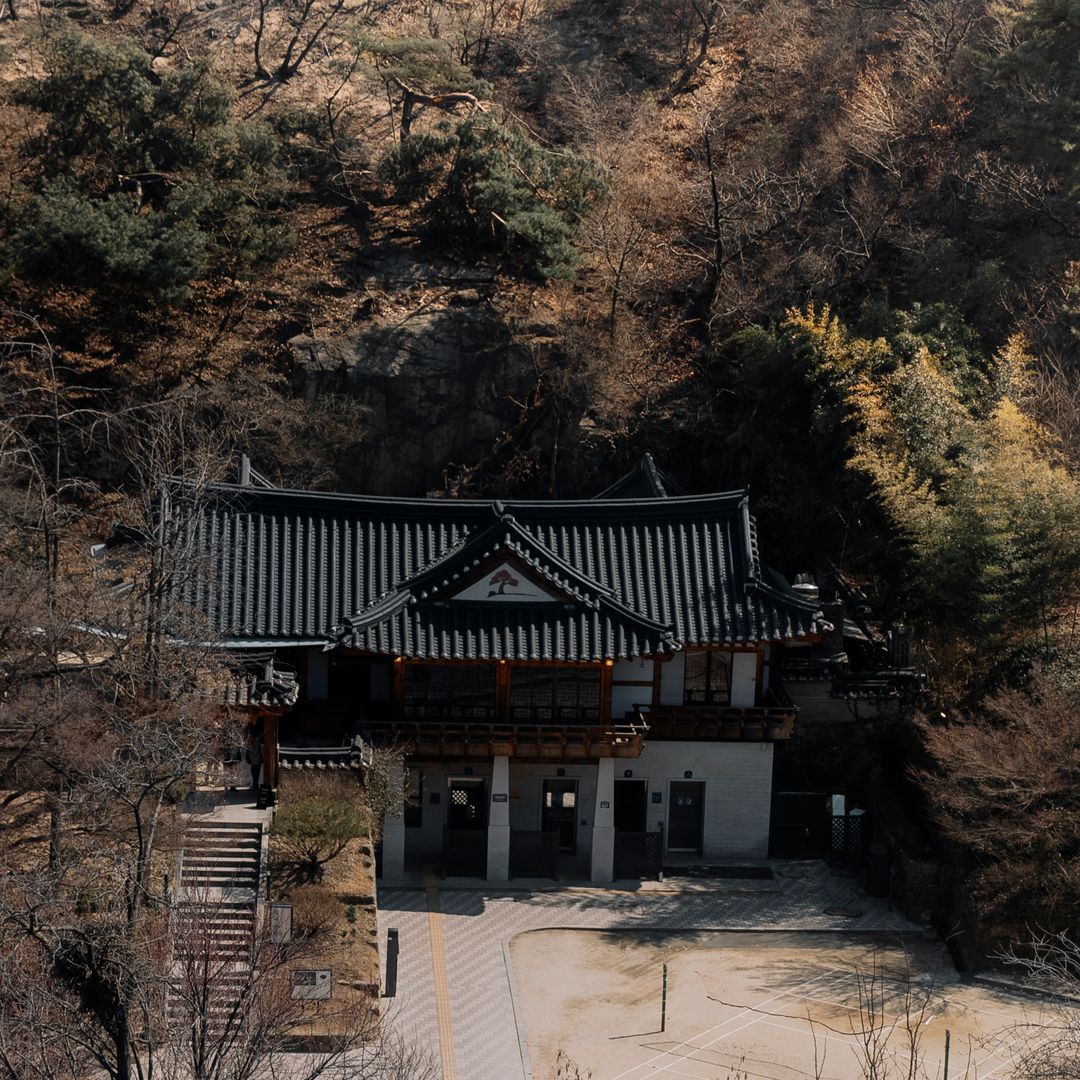
Late fall Korea travel destinations offer a distinct shift in scenery as the vibrant foliage of October gives way to the golden, crisp landscapes of mid-November. Managing travel during this period requires careful coordination between metropolitan subway networks and regional rail services to reach peak viewing areas before the winter frost arrives. This itinerary outlines a logical flow for utilizing public transit to experience the transition from autumn colors to the early winter atmosphere.
Audience for Regional Autumn Transit
This travel strategy suits visitors who prefer a localized pace without the need for private vehicle rentals. It focuses on travelers comfortable with navigating subway stations and intercity train terminals, prioritizing proximity to major cultural heritage sites. Those interested in Hiking will find that most mountain trails near Seoul and Gyeongju remain accessible until late in the season, provided travelers check local weather conditions for sudden temperature drops.
Optimized Transit Route for Transitioning Seasons
Starting in the capital, the Seoul Metropolitan Government (https://english.seoul.go.kr) manages a comprehensive transit network that connects subway lines directly to mountain trailheads and historical palaces. To move south, travelers should utilize the Korea Train Express (KTX) which serves as the backbone for cross-country movement.
- Seoul Transit: Utilize the integrated subway system to reach sites like Namsan or Bukhansan.
- Intercity Rail: Use the KTX or SRT (Super Rapid Train) for rapid transit from Seoul Station or Suseo Station to southern hubs.
- Regional Connectivity: Local bus networks in provinces often require a T-money card, which is compatible across all major cities and rural regions.
Timed Itinerary for Late Autumn
| Period | Activity Focus | Transit Mode |
|---|---|---|
| Early Morning | Cultural site visitation | Seoul Subway/Bus |
| Midday | Regional rail transfer | KTX/SRT |
| Late Afternoon | Local landscape exploration | Regional City Bus |
| Evening | Authentic local Food | Walking/Taxi |
For those planning an extended stay, traveling south to Jeju requires a domestic flight from Gimpo or Busan. Once on the island, the public bus system is the primary method for reaching coastal paths and volcanic craters. Ensure that you have a functional transit card, as most regional transit operators have transitioned to cashless payment systems.
Logistics and Seasonal Cautions
Costs for transit fluctuate based on the distance between cities and the class of seat reserved. According to Visit Korea (https://english.visitkorea.or.kr), booking intercity train tickets in advance via the official website is essential during peak foliage weekends to avoid sold-out status.
- Payment Systems: Most stations now support digital payment methods, though keeping a physical T-money card remains a reliable backup.
- Temperature Management: Late fall brings sharp drops in temperature, especially at higher altitudes; dressing in layers is recommended.
- Facility Access: Some outdoor facilities or high-altitude trails may close earlier than scheduled due to limited daylight hours.
- Wellness Considerations: For those seeking professional wellness services during their stay, resources regarding Medical Tourism can be consulted for facility locations and accessibility.
Official updates on facility hours and transit disruptions are managed by local municipal offices. Travelers should always verify the operational status of specific mountain paths or park entrances before departure, as sudden cold fronts can lead to temporary closures for safety reasons. All transit information provided here is current as of the article’s writing.
자주 묻는 질문 (FAQ)
Can I use the same transit card in Seoul and regional cities?
Yes, the T-money card and other standard rechargeable transit cards are accepted on buses and subways across all major provinces in Korea.
Is it necessary to reserve KTX tickets in advance for autumn travel?
Reserving tickets via the official Visit Korea portal is highly recommended, as seats for popular routes to coastal or mountainous regions sell out quickly during the peak foliage season.
Are hiking trails still open in late November?
Most trails remain open, but some higher altitude paths may be restricted due to early winter ice or safety maintenance, so checking local notices before departure is advised.
How do I get to coastal regions from Seoul using public transport?
The KTX and SRT high-speed rail networks provide direct, efficient links from Seoul to major southern coastal hubs like Busan and Gyeongju in under three hours.
Get in Touch
Have questions about your specific situation? Reach out anytime for a personal consultation.