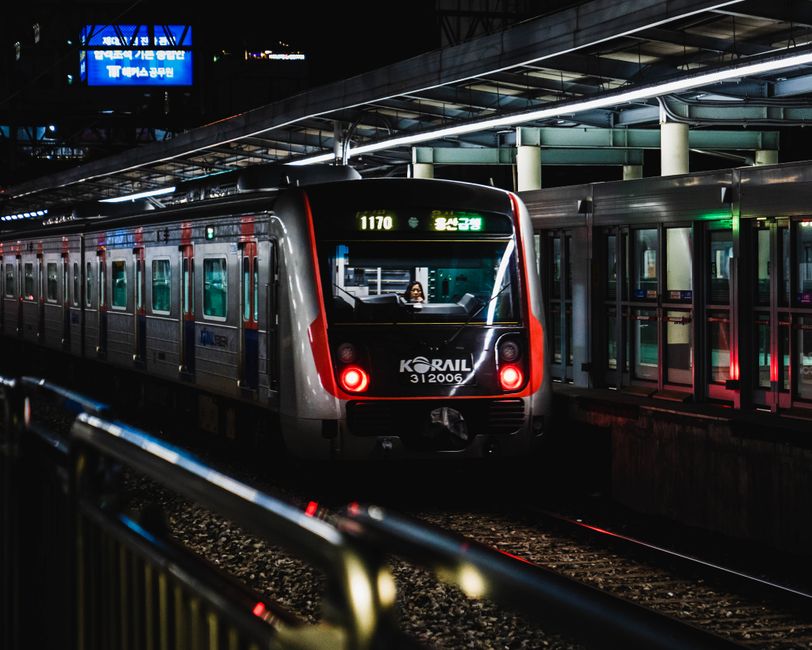

The Korea train capacity increase 2026 represents a structural shift in how domestic travelers move between major metropolitan hubs and secondary cities. By integrating advanced rolling stock with expanded frequency on high-speed rail lines, the national transport network aims to mitigate seat shortages during peak holiday seasons and weekends. These enhancements facilitate smoother transitions for travelers moving between the capital and the southern provinces, as noted by the Seoul Metropolitan Government regarding integrated transit infrastructure.
Targeting Efficient Regional Connectivity
This infrastructure evolution suits travelers who prioritize schedule reliability and comfort when traversing the peninsula. Visitors who favor Korea Travel via rail will find that the expanded fleet reduces the lead time required for ticket procurement. It is particularly beneficial for those balancing a tight schedule between urban discovery and regional exploration, as it minimizes the necessity for last-minute adjustments to ground-based transit plans.
Strategic Transport Routes and Capacity Adjustments
The primary focus for network expansion lies on the KTX (Korea Train eXpress) and SRT (Super Rapid Train) lines connecting Seoul to southern terminals. By introducing more frequent service windows, the railway operators are effectively decoupling high-demand periods from the traditional scarcity of available seats.
| Service Type | Primary Corridor | Projected Benefit |
|---|---|---|
| KTX-Eum | Central & Eastern Routes | Increased passenger volume on under-served lines |
| Standard KTX | Seoul-Busan Mainline | Higher frequency during peak hours |
| SRT | Seoul-Suseo to Southern Hubs | Reduction in ticket sold-out frequency |
Timed Itinerary for Efficient Exploration
A typical itinerary utilizing these improvements might begin with an early morning departure from Seoul, allowing travelers to reach distant provinces before midday. When planning your journey, allocate time for local Food experiences that are often clustered near major transit hubs. The following sequence ensures that the gains from infrastructure updates are maximized:
- Early Morning Departure: Utilize the 06:00 to 08:00 window to bypass the bulk of commuter traffic.
- Mid-day Regional transit: Connect to local bus or regional rail networks to reach rural heritage sites.
- Evening Return: Leverage the increased late-night capacity to conclude your trip without the pressure of an early final departure.
Logistics and Reservation Protocols
Securing passage remains a digital-first process managed through official government portals. As per the guidelines provided by Visit Korea KTO, visitors should utilize the designated online platforms to monitor real-time seat availability, which is updated continuously as the expanded service schedule takes effect. For those planning a special trip, such as a Wedding celebration requiring group travel, these capacity improvements provide a more reliable framework for logistical coordination.
Accessibility and Seasonal Considerations
Reliability on these routes is subject to seasonal variation, particularly during the lunar new year and harvest festivals. While the network is robust, extreme weather can occasionally impact scheduling; therefore, monitoring official bulletins is advised. Travelers interested in Hiking should note that mountain-adjacent stations often experience high traffic on weekends, regardless of the overall capacity growth.
- Travelers with mobility needs: Priority seating and elevator access are standard in newer stations.
- Luggage storage: Use station lockers if your itinerary involves multiple stops before final check-in.
- Seasonal peaks: Reserve tickets at least one month in advance during major public holidays to ensure group seating.
Official updates on network status and fare regulations are available via the Visit Korea KTO website. Travelers are encouraged to verify their specific route requirements at least 48 hours prior to departure, as regional service adjustments may occur based on operational necessity.
자주 묻는 질문 (FAQ)
How do I book tickets with the increased capacity?
You can book via the official Korail or SRT websites, which now reflect the updated schedules and increased frequency of train operations.
Will the increase in capacity affect ticket prices?
Price structures are determined by distance and service class, and the current capacity expansion is focused on volume rather than a base fare hike.
Are these trains accessible for international visitors?
Yes, international tourists can use the Korail Pass or individual tickets, both of which are fully integrated into the updated digital reservation systems.
What should I do if a specific train is still fully booked?
Check the reservation app frequently, as cancellations often release seats back into the system, or look for alternative departure times on the same route.
Get in Touch
Have questions about your specific situation? Reach out anytime for a personal consultation.