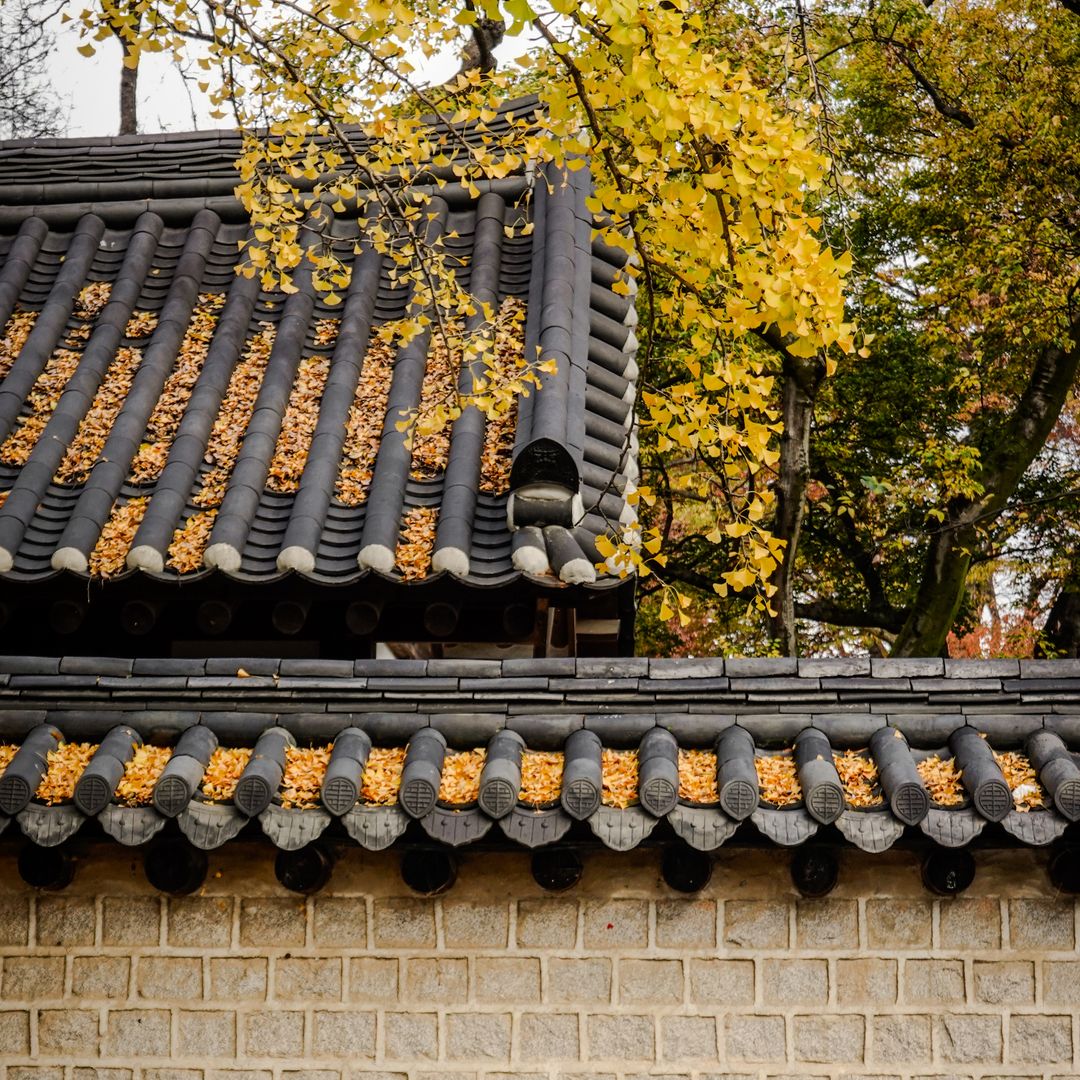
Planning an easy Korea travel itinerary autumn requires coordinating public transit schedules with the peak foliage windows occurring across the peninsula. Travelers relying on the comprehensive KTX (Korea Train eXpress) and local subway networks gain efficient access to major mountain regions and urban cultural hubs without the complications of renting a vehicle. According to guidelines provided by Visit Korea (KTO), the transition from September to November marks the primary season for viewing changing leaves, with northern regions and higher altitudes peaking earlier than the southern coastal areas.
Traveler Profiles and Regional Suitability
This transit-focused route serves independent travelers who prioritize mobility and cost efficiency. By utilizing the extensive rail infrastructure, visitors can bridge the gap between high-density metropolitan areas like Seoul and the natural landscapes of the interior. Those seeking a more relaxed pace might prefer the island environment of Jeju, where bus connectivity has improved to support regional exploration, though the mainland mountainous trails remain the primary draw for seasonal visitors.
Recommended Transit Logistics
Navigating the country relies on the T-money card system, which functions across subways, buses, and regional rail services. The Seoul Metropolitan Government emphasizes that integrated fare systems allow for free transfers between bus and subway lines within a set time frame, provided passengers tap their cards upon both entry and exit. For intercity travel, booking KTX tickets via the official portal is essential, as peak season demand often exhausts available seating days in advance.
- Rail Travel: Utilize KTX for high-speed transit between major cities; reserve seats early to avoid standing-room-only conditions.
- Local Transit: Keep a T-money card topped up with sufficient local currency for daily subway and bus usage.
- Map Integration: Use local navigation applications as they provide real-time bus arrival data, which international map services may lack.
- Station Facilities: Most major terminals provide luggage storage lockers, allowing travelers to drop bags before beginning their daily Hiking or sightseeing plans.
Sample Itinerary Structure
A balanced itinerary focuses on alternating high-activity nature days with urban cultural exploration. Visitors should aim to start their mornings early to minimize congestion at popular transit hubs and trailheads.
| Day | Primary Focus | Transit Mode |
|---|---|---|
| Day 1 | Seoul Palaces & Gardens | Subway (Lines 3 and 5) |
| Day 2 | Mountain Foliage Access | Intercity Rail / Local Bus |
| Day 3 | Regional Culture | KTX / Express Bus |
| Day 4 | Urban Shopping & Markets | Walking / Subway |
Costs and Seasonal Considerations
Budgeting for this travel style requires accounting for fluctuating rail prices and varying entrance fees at national parks. While many public parks maintain low entry costs, certain historic sites or private gardens may implement seasonal pricing. Travelers should note that while the infrastructure supports seamless movement, some rural bus routes operate on reduced frequencies during weekends or public holidays.
Travelers planning to combine their trip with a Wedding or professional photoshoot should verify permit requirements for public photography in parks and historic districts, as policies vary by location and time of year.
Accessibility and Operational Tips
Public transport in major cities is largely accessible, though older stations in mountainous regions may feature limited elevator access. Travelers are advised to check the official Visit Korea portal for current service alerts and regional foliage forecasts. Consistent with local customs, maintaining quiet decorum on public transit is expected, and travelers should be prepared for high ridership during the autumn weekends as local residents also flock to scenic areas.
Official Resources:
- Visit Korea (KTO): https://english.visitkorea.or.kr
- Seoul Metropolitan Government: https://english.seoul.go.kr
Checked date: October 2026.
자주 묻는 질문 (FAQ)
What is the most reliable way to navigate between cities in autumn?
The KTX rail network remains the most reliable and efficient method for intercity transit, provided tickets are reserved in advance.
Are there specific transit cards I should use?
A rechargeable T-money card is the standard for all public transport including subways, city buses, and local rail lines across the country.
How do I find current foliage status?
Visit Korea (KTO) publishes official seasonal reports and foliage forecasts that highlight expected peak dates for major national parks.
Is it difficult to store luggage while traveling?
Major train stations and transit centers offer automated luggage lockers, which are suitable for day-trip storage during your travels.
Get in Touch
Have questions about your specific situation? Reach out anytime for a personal consultation.