
Optimizing Transit Connections for Urban Travelers
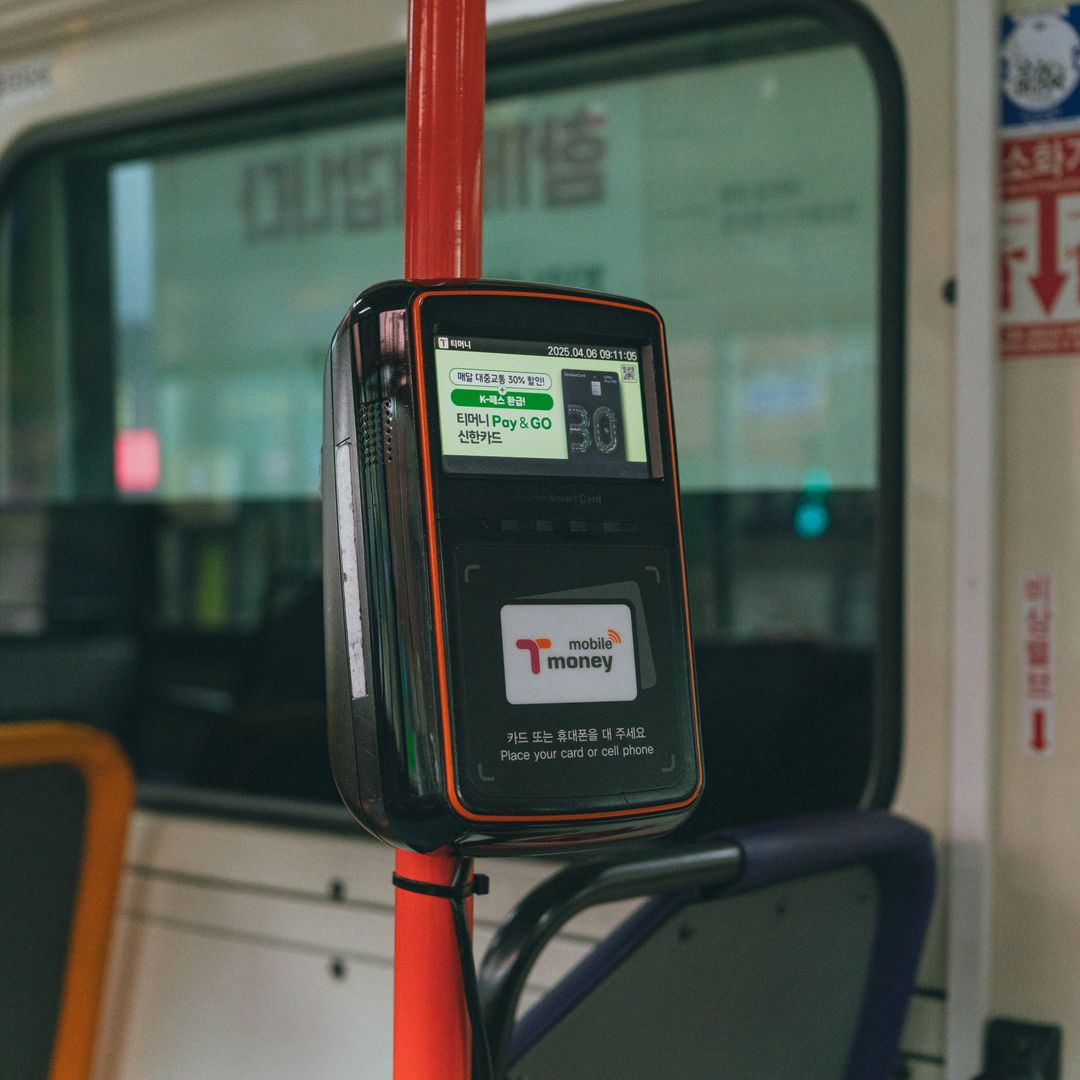
Navigating metropolitan transit systems efficiently requires a clear understanding of Seoul Climate Card short-term options for transport and admission, especially for visitors looking to combine daily travel with cultural excursions. The Seoul Metropolitan Government operates this integrated transit pass to streamline subway and bus travel for short-term visitors without requiring individual ticket purchases for every journey. Travelers arriving for a multi-day stay can choose specific pass durations ranging from one day up to seven days depending on the scope of their itinerary.
Choosing the correct pass duration prevents unnecessary spending on single-journey tickets while maintaining unlimited access to designated subway lines and municipal buses. According to official operational guidelines from the Seoul Metropolitan Government, the pass covers most core underground routes operated by Seoul Metro lines one through eight, as well as specific sections of commuter rail lines. Visitors planning an extensive Korea Travel schedule often integrate these passes with walking excursions or regional trips outside the capital.
Structured Transit Route for Urban Explorers
A successful transit plan combines high-capacity subway lines with short walking segments to connect major districts without backtracking through central transfer stations. Starting the morning in the historic heart of the city allows travelers to utilize the pass on Line 3 to reach Gyeongbokgung Station before transferring via municipal bus lines toward adjacent cultural hubs. Using the integrated transit card eliminates physical ticket gate delays during peak morning rush hours when station foot traffic reaches its highest volume.
After exploring morning cultural sites, visitors can board local bus routes directly to nearby culinary districts to sample local dishes featured in our dedicated Food archives. Afternoon transit segments typically involve riding Line 2 or Line 4 to reach bustling commercial zones like Myeongdong or Dongdaemun for afternoon shopping and sightseeing. Returning to the accommodation district in the evening requires no additional fare calculations, as unlimited boarding remains active throughout the valid operational hours of the pass.
Timed Itinerary and Daily Scheduling
Structuring daily activities around efficient transit intervals ensures that visitors maximize the financial value of their short-term transit pass.
- 08:30 – 10:30: Board subway Line 3 toward central palace zones for early morning historical exploration before large tour groups arrive.
- 11:00 – 13:30: Utilize municipal buses to transition toward traditional market districts for lunch and regional specialty tastings.
- 14:00 – 17:00: Take underground rail links to major urban parks or museum complexes, reserving energy for afternoon walking segments.
- 17:30 – 20:00: Complete evening transit legs toward scenic viewpoints or dining districts without worrying about individual fare deductions.
Visitors who prefer combining urban transit passes with outdoor exploration often pair these city routes with weekend excursions found in our curated Hiking guides for surrounding mountain trails. Maintaining a disciplined schedule ensures that transit pass usage remains active during peak sightseeing hours when individual ticket queues are longest.
Current Costs, Pass Options, and Purchase Logistics
Understanding the pricing structure and physical card acquisition process prevents transit delays upon arrival at Incheon International Airport or major downtown terminal stations. The short-term pass structure offers distinct pricing tiers based on validity length, allowing visitors to match their exact travel timeline with the appropriate physical or mobile pass option. Physical cards require a small initial purchase fee at designated station customer service counters or convenience stores before loading the selected multi-day duration value.
| Pass Duration | Primary Transport Coverage | Estimated Cost Range | Recommended User Profile |
|---|---|---|---|
| 1-Day Pass | Subway lines 1-8, municipal buses | Standard municipal rate | Transit-heavy day trips across central districts |
| 2-Day Pass | Subway lines 1-8, municipal buses | Standard municipal rate | Standard weekend visitors exploring museums |
| 3-Day Pass | Subway lines 1-8, municipal buses | Standard municipal rate | Standard cultural sightseers with packed schedules |
| 5-Day Pass | Subway lines 1-8, municipal buses | Standard municipal rate | Extended urban explorers and photographers |
| 7-Day Pass | Subway lines 1-8, municipal buses | Standard municipal rate | Long-stay visitors and remote professionals |
Travelers should note that these transit passes are distinct from specialized documentation required for other formal events, such as planning a destination ceremony detailed in our Wedding planning portal. Always inspect the reverse side of the physical card to confirm active validation stamps or digital activation timestamps before entering station turnstiles.
Accessibility, Seasonal Cautions, and Practical Tips
Navigating underground stations with heavy luggage requires identifying elevators and wide access gates, which are clearly marked throughout the Seoul Metro network. According to official travel safety advisories published by Visit Korea KTO (https://english.visitkorea.or.kr), winter travelers should exercise caution on exposed outdoor station platforms during freezing conditions. Conversely, summer visitors need to account for temporary platform crowding during monsoon rain showers when underground pedestrian tunnels experience higher traffic volumes.
Cardholders must remember that the pass expires exactly at midnight on the final active day regardless of what time activation occurred on the first day of use. Planning evening journeys to conclude prior to midnight avoids unexpected single-fare charges on subsequent transit segments. Keeping the physical card in an accessible outer pocket prevents scanning delays at busy turnstiles during peak commuting hours.
Official Resources and Reference Documentation
For the most current tariff schedules, station vending machine locations, and updated route maps, consult the primary portal provided by the Seoul Metropolitan Government (https://english.seoul.go.kr). Regional tourism advisories and additional cultural site discount information can be verified directly through Visit Korea KTO (https://english.visitkorea.or.kr). Reviewing these official administrative channels before departure ensures your urban transport planning remains fully aligned with current municipal transit policies as of the article’s writing.
자주 묻는 질문 (FAQ)
Where can visitors purchase short-term Seoul Climate Card options?
Physical cards are available at customer service centers inside subway stations, designated convenience stores, and automated ticket kiosks across major transit hubs.
Do short-term transit passes cover regional high-speed rail lines outside Seoul?
No, the pass is strictly limited to municipal subway lines one through eight, specific metropolitan rail sections, and city green or blue buses within the Seoul municipal boundary.
What happens if a short-term pass expires mid-journey?
The pass becomes invalid at midnight on its final active day, requiring passengers to pay a standard separate fare if travel continues past that timestamp.
Are refunds available for unused days on a multi-day transit pass?
Municipal guidelines generally prohibit refunds for partially used or fully activated multi-day transit passes once transit gate validation has occurred.
Get in Touch
Have questions about your specific situation? Reach out anytime for a personal consultation.