Who Benefits from the Revised Fare Structure
Korea public transport fare changes 2026 directly impact independent travelers, long-stay visitors, and regional commuters who rely on seamless transfers between metropolitan subway systems and intercity rail networks. Independent explorers looking to sample authentic local Food across multiple provinces will find that understanding these adjustments prevents unexpected wallet strain during extended journeys. Whether your itinerary involves scaling rugged mountain trails for scenic Hiking viewpoints or scheduling specialized outpatient appointments through Medical Tourism packages, accurate fare management remains essential for a smooth trip.
Optimized Transit Routes Across Metropolitan Networks
Navigating the Seoul Metropolitan Subway and regional Korail (Korea Railroad Corporation) lines requires a strategic approach to transfer windows and zone boundaries. The revised tariff system alters distance-based surcharges on wide-area bus routes and commuter rail links, making pre-calculated route mapping more critical than ever. Travelers moving between central Seoul districts and outer Gyeonggi manufacturing hubs should map out every connection carefully to maximize integrated transfer discounts before standard ticket penalties apply.
| Transit Type | Previous Base Rate | Revised Fare Structure | Transfer Benefit |
|---|---|---|---|
| Seoul Metropolitan Subway | Standard basic fee | Adjusted base increment | Maintained within 30-minute window |
| Intercity Bus Lines | Distance-tiered pricing | Unified regional slab | Partial integration with subway |
| Express Train Services | Fixed seat pricing | Dynamic peak surcharges | Separate ticketing required |
Timed Itinerary for Regional Explorers
A practical transit schedule minimizes waiting times and captures the most favorable off-peak pricing windows available under the updated tariff rules. Starting your morning commute before the morning rush hour bypasses premium surcharges on specific express commuter lines connecting regional transit hubs. Below is a structured timeline designed for visitors moving between urban centers and regional destinations without incurring unnecessary penalties:
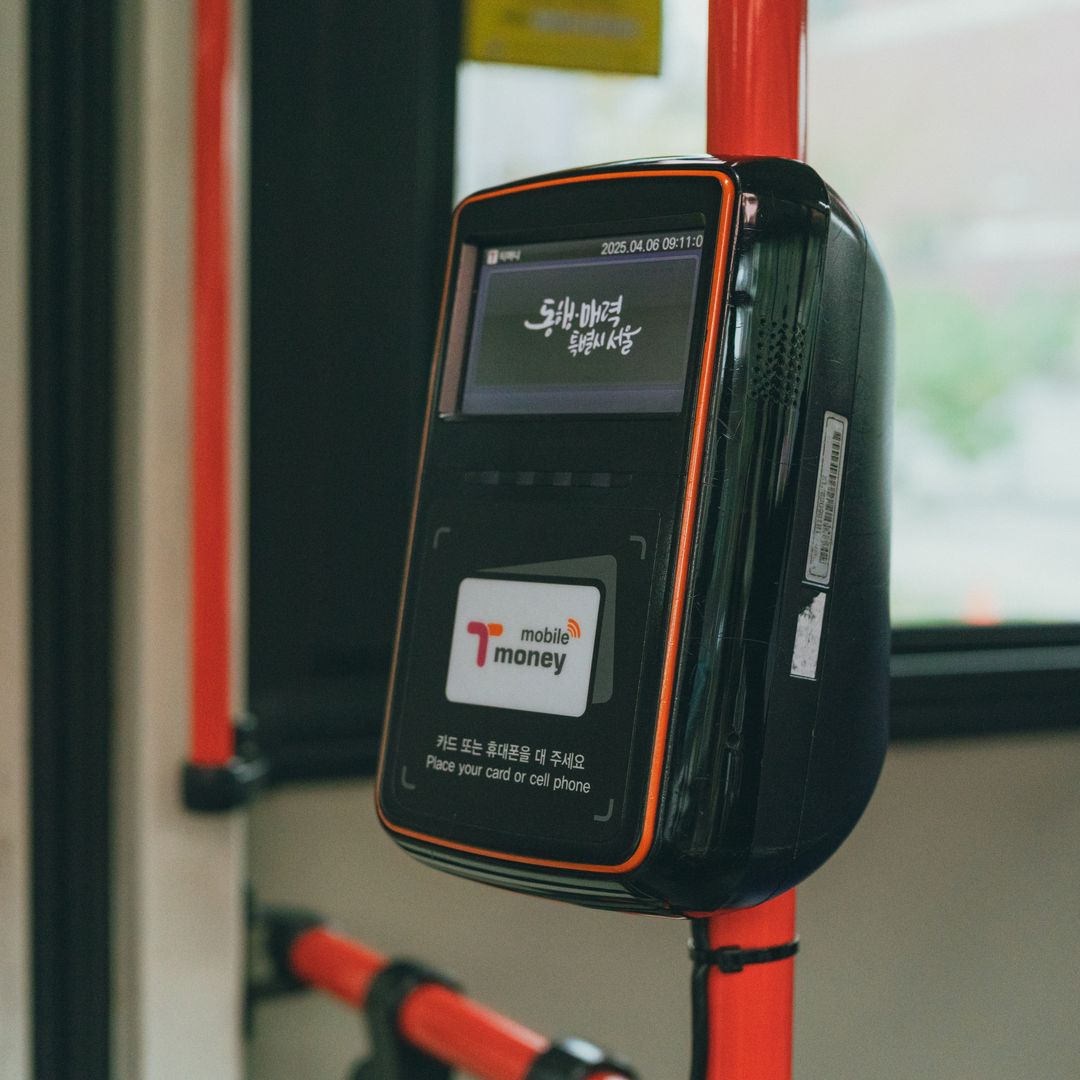
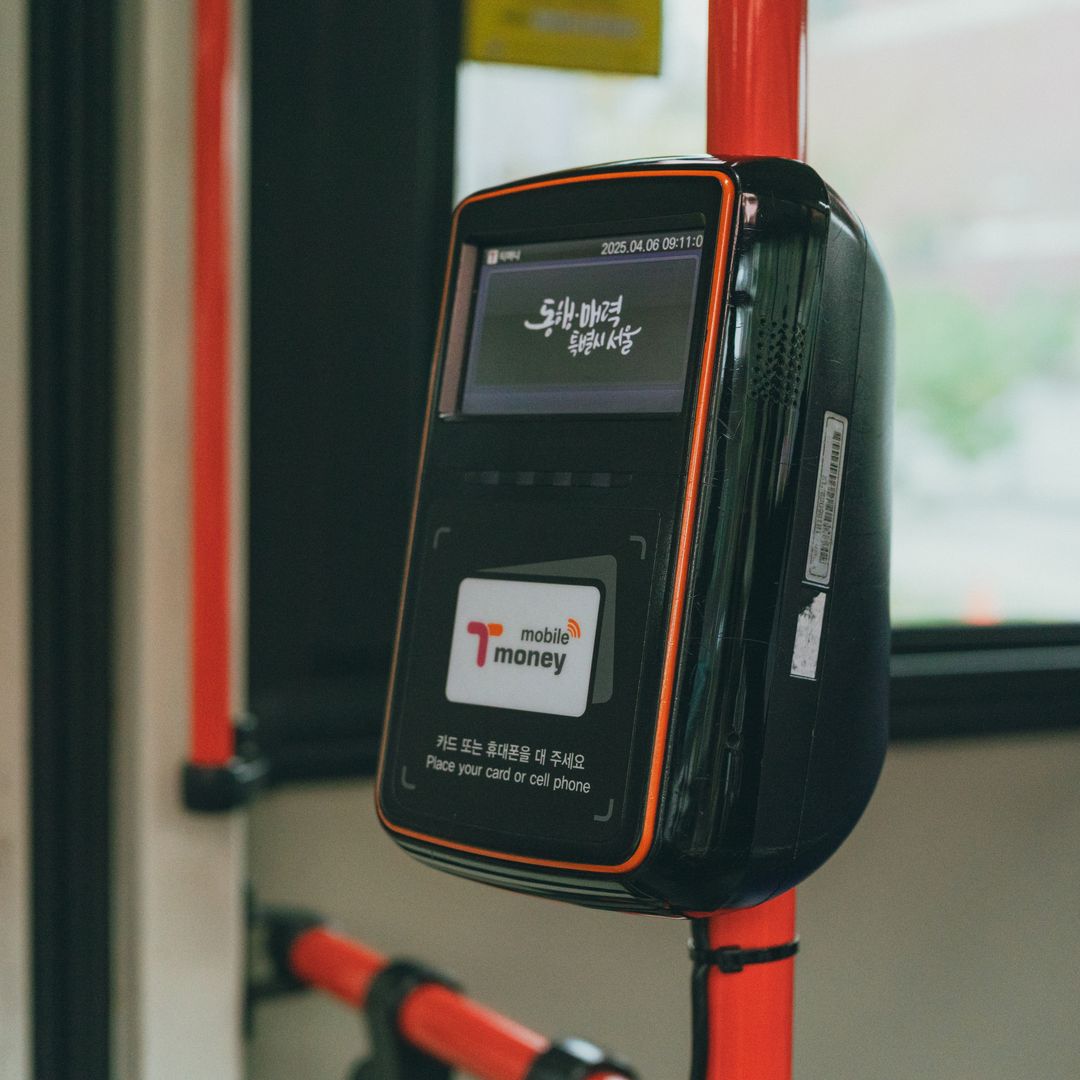
- 07:30 – 08:30: Tap in during standard morning hours using a registered T-money card to secure baseline commuter rates.
- 09:00 – 11:30: Complete long-distance regional train transfers while off-peak promotional discounts remain active on select lines.
- 13:00 – 16:00: Utilize urban local bus loops where transfer credit windows extend up to sixty minutes in designated suburban zones.
Current Tariffs and Reservation Protocols
Purchasing transit credits requires understanding how reloadable smart cards interact with automated gate sensors under the updated municipal billing systems. Visitors can reference comprehensive planning tools on Korea Travel portals to review real-time card registration guides and digital wallet compatibility. Keeping a backup physical card loaded with sufficient emergency funds prevents gate lockouts when crossing municipal boundaries where transfer discounts terminate.
- Card Registration: Linking your passport to a localized transit pass enables easier balance recovery if lost.
- Cash Top-Ups: Station kiosks continue to accept physical currency, though digital app reloading offers faster transaction processing.
- Refund Policies: Unused balances on disposable transit passes can be claimed at designated customer service counters before departure.
Accessibility Features and Seasonal Cautions
Major transit terminals feature comprehensive elevator networks and tactile paving, though older transfer corridors may still require navigating flights of stairs with heavy luggage. Seasonal weather shifts, particularly heavy summer monsoon rains and winter ice storms, can temporarily disrupt above-ground rail schedules and bus intervals. Travelers should monitor real-time platform displays and station announcements for sudden timetable adjustments caused by severe weather events.
Official Regulatory Framework and Verification Sources
Official announcements regarding municipal fare adjustments are published directly by transportation authorities to ensure complete transparency for all passengers. Travelers can verify up-to-date policy details through authoritative government portals such as the Seoul Metropolitan Government and Visit Korea operated by the Korea Tourism Organization. Cross-referencing these primary resources guarantees that your transit budget aligns with current national regulations.
Source Citation: Official transit tariff schedules and municipal policy updates are maintained by the Seoul Metropolitan Government (https://english.seoul.go.kr) and Visit Korea KTO (https://english.visitkorea.or.kr).
자주 묻는 질문 (FAQ)
Are transit transfer discounts still valid under the revised fare system?
Yes, transfer discounts between subways and buses remain intact provided passengers tap out and within the designated transfer time window.
Can foreigners purchase regional rail tickets using international credit cards?
Major station ticketing machines and official mobile applications accept standard international credit cards for all standard and express train bookings.
What happens if my transit card balance drops below zero during a journey?
Automatic exit gates will lock, requiring you to settle the deficit at an internal fare adjustment machine before leaving the station area.
Do children and seniors receive discounted fares on public transport?
Designated age groups qualify for reduced fares upon registering a verified identity card at designated customer service booths within major stations.
Get in Touch
Have questions about your specific situation? Reach out anytime for a personal consultation.