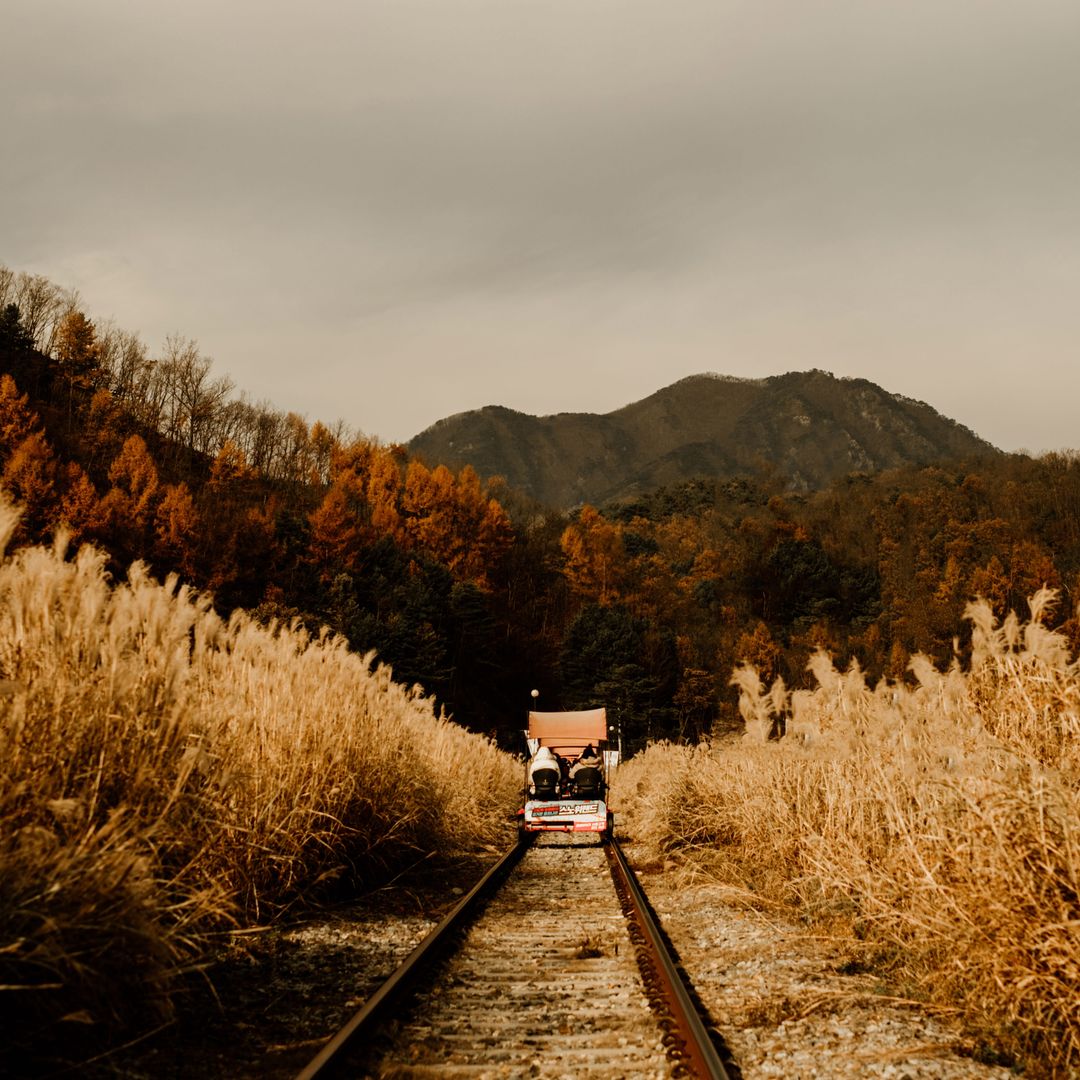

Leveraging regional train passes for Korea autumn travel offers a structured approach to visiting the peninsula’s foliage-dense provinces while minimizing individual ticket logistics. Travelers relying on public transit can streamline their movement between metropolitan hubs and rural mountain corridors by utilizing integrated rail systems managed by Korea’s national rail operator. This planning strategy emphasizes cost-effective transit and reliable scheduling, which are essential for navigating the peak tourism season.
Target Audience for Regional Rail Integration
The implementation of dedicated rail passes serves independent travelers who prioritize intercity mobility over private vehicle rentals. These systems are designed for visitors who plan to explore multiple provinces within a single trip, such as moving from the capital region to the southeastern cultural heritage sites. By consolidating fare payments, passengers can reduce the complexity of booking individual segments during high-demand periods when seat availability on high-speed lines becomes constrained.
- Independent Sightseers: Those prioritizing flexible movement between regional hubs without the overhead of driving.
- Cultural Enthusiasts: Travelers seeking access to historic sites in Gyeongju or Andong that require intercity connectivity.
- Budget-Conscious Voyagers: Visitors aiming to mitigate the impact of fluctuating point-to-point ticket prices through flat-rate passes.
Transit Routing and Strategic Connectivity
Effective transit planning relies on the spine of the national high-speed network, which connects Seoul to major regional cities. Visitors should prioritize main stations where high-speed KTX (Korea Train eXpress) lines intersect with regional Mugunghwa or ITX lines. This hybrid approach allows for deep exploration of rural areas where foliage colors are most vibrant. As noted by the Visit Korea KTO, regional connectivity is central to distributing tourism impact across the country.
Suggested Autumn Transit Itinerary
A typical seven-day itinerary focused on autumn landscapes utilizes the rail network to link urban centers with mountain trails. Travelers typically begin in the capital, using the metropolitan network to reach the primary rail terminals.
- Days 1-2: Base in Seoul to access local palaces and urban Hiking trails that showcase seasonal color changes.
- Days 3-4: Travel via high-speed rail to the Gyeongju region, utilizing local bus connections to reach historical temple sites.
- Days 5-6: Continue south to the coastal regions or inland towards the Jirisan mountain range, utilizing regional lines for scenic transit.
- Day 7: Return to the primary international transit hub via the high-speed rail corridor.
Logistics and Cost Management
Securing a rail pass requires checking eligibility and availability in advance, as certain tiers are reserved for international passport holders. These passes function as a voucher that must be exchanged for physical tickets or registered online prior to boarding. According to the Seoul Metropolitan Government, planning transit ahead of time remains the most effective way to ensure seamless transitions between local subway systems and national rail lines.
| Pass Type | Duration | Primary Benefit | Best For |
|---|---|---|---|
| Standard Flex Pass | 3-5 Days | Unlimited KTX usage | Fast-paced intercity travel |
| Regional Saver Pass | 7 Days | Slower regional lines | Deep rural exploration |
| Group Multi-Pass | Flexible | Reduced per-person cost | Couples and small groups |
Accessibility and Seasonal Considerations
Autumn travel brings a significant increase in domestic tourism, particularly during the foliage peak. Visitors should anticipate higher demand at major stations and prioritize booking seat reservations at least 48 hours in advance. While the rail network is largely accessible, some older regional stations may require additional time for navigation; checking station facilities on official portals is advisable for those with heavy luggage. For those interested in deeper engagement with the local environment, exploring regional Food markets near rail terminals provides a localized experience that complements transit-heavy itineraries. Further context on local customs can be found at Korea Culture.
Official Resources for Planning
Travelers should verify the latest schedules and pass eligibility on the official website of the Korea National Rail operator. These platforms provide live updates on track maintenance, seasonal schedule adjustments, and terminal guidance. For comprehensive travel planning resources, visitors may refer to the official Korea Travel portal for updated guidance on transit logistics and regional site accessibility.
자주 묻는 질문 (FAQ)
Are regional rail passes valid on all trains?
Most passes cover KTX, ITX, and Mugunghwa lines, but they may exclude specialized tourist trains or subway systems within cities.
Should I buy tickets before arriving in Korea?
You can purchase rail pass vouchers online, which are then exchanged for physical tickets at station counters upon arrival.
Does the pass include seat reservations?
Passes usually provide a limited number of free seat reservations; additional reservations may require a small surcharge.
Is it difficult to navigate stations during autumn?
Stations can be crowded during peak foliage weeks, so arriving 30 minutes before departure is recommended for smooth transit.
Get in Touch
Have questions about your specific situation? Reach out anytime for a personal consultation.