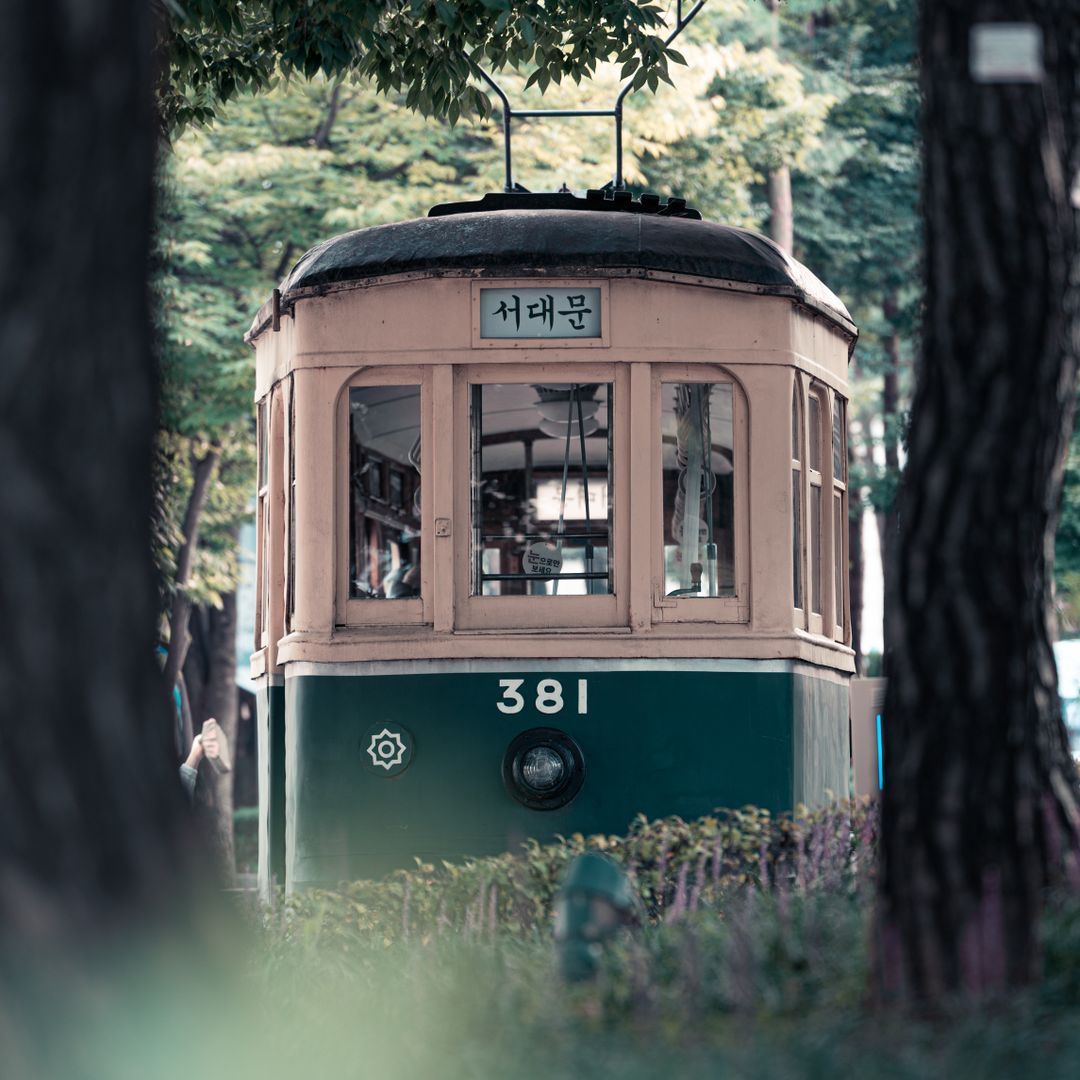

Efficient movement across the capital requires familiarity with the current Seoul transit pass for tourists 2026, which consolidates subway and bus access into a single digital or physical card. Visitors aiming to maximize their time in the metropolitan area benefit from selecting a duration that aligns with their specific stay, as transit infrastructure is designed to integrate seamlessly with major cultural hubs. Leveraging these passes reduces the need for constant ticket purchases, allowing travelers to focus on their food explorations and site visits without the friction of individual fare payments.
Targeting Optimal Transit Connectivity
The short-term transit pass system serves travelers who prioritize frequent urban movement over long-distance regional transfers. While these cards provide unlimited access to the subway and bus networks within the Seoul metropolitan area, they do not extend to intercity rail services or private transit options. Individuals planning a broader Korea Travel itinerary that includes departures to regions like Jeju should treat the pass as a city-specific tool rather than a comprehensive nationwide permit.
| Pass Duration | Primary Use Case | Key Benefit |
|---|---|---|
| 1-Day Pass | Layover or fast-paced city tour | Maximum daily mobility |
| 3-Day Pass | Standard long weekend trip | Cost-effective for 3+ rides/day |
| 5-Day Pass | Deep-dive cultural exploration | Full coverage of major districts |
| 7-Day Pass | Extended urban residency | Best value for long-term visitors |
Integrated Daily Movement and Sightseeing
A typical 2026 itinerary relies on the efficiency of the Seoul subway lines to reach heritage sites and modern districts within a single day. Starting a morning in the northern historic districts allows for quick transit to central business centers by midday, followed by evening Korea Culture experiences near the Han River. By keeping the transit pass readily accessible, commuters avoid the congestion of ticket vending machines during peak hours.
- Morning: Access major palaces and traditional markets using the primary subway arteries.
- Midday: Utilize bus transfers to reach elevated viewpoints or specialized shopping districts.
- Evening: Transition to nightlife hubs using the extended subway schedules prevalent in central Seoul.
Acquisition and Usage Logistics
According to the Seoul Metropolitan Government, visitors can obtain these passes at designated station kiosks or through mobile applications as of 2026. Activation generally occurs upon the first use at a subway turnstile or bus reader. It is essential to ensure that your mobile device supports NFC (Near Field Communication) if opting for the digital version, as physical cards remain the standard for traditional kiosks.
Travelers are encouraged to verify current coverage zones provided by the Seoul Metropolitan Government, as extensions into specific satellite cities may fluctuate based on local transit policy updates.
Seasonal Considerations and Accessibility
Navigating Seoul during peak seasons requires planning for higher commuter volume. During the spring cherry blossom period or the autumn foliage peak, subway stations in central zones experience increased traffic. The transit pass remains valid during these periods, but passengers should account for additional time when transferring between lines or boarding buses during rush hours. Per the Visit Korea KTO guidelines, maintaining a flexible schedule allows for better movement during these high-traffic windows.
Weather conditions in 2026 may also impact outdoor walking portions of an itinerary. In extreme summer heat or winter cold, the ability to transition quickly from an underground station to a climate-controlled bus is a significant advantage of using an integrated pass. Ensure that your account balance or active duration period is confirmed prior to departure each morning to avoid service interruptions.
자주 묻는 질문 (FAQ)
Can the Seoul transit pass be used on intercity buses?
No, the current short-term passes are strictly limited to the Seoul metropolitan subway and bus networks and do not cover intercity or express bus services.
Does the pass include entry to museums or palaces?
Certain versions of tourist-oriented passes may include bundled attraction entry, but standard transit-only cards focus solely on transportation fare coverage.
Is the mobile pass available for all smartphone types?
Mobile transit card availability depends on the specific device’s NFC capabilities and regional restrictions; always check the official Seoul Metropolitan Government portal for current device compatibility.
Where is the best place to purchase a physical pass?
Physical cards are available at most major subway station customer service centers and participating convenience stores throughout the metropolitan area.
How is the duration calculated for a multi-day pass?
The duration is calculated based on consecutive days starting from the time of the first activation, rather than a rolling 24-hour period.
Get in Touch
Have questions about your specific situation? Reach out anytime for a personal consultation.