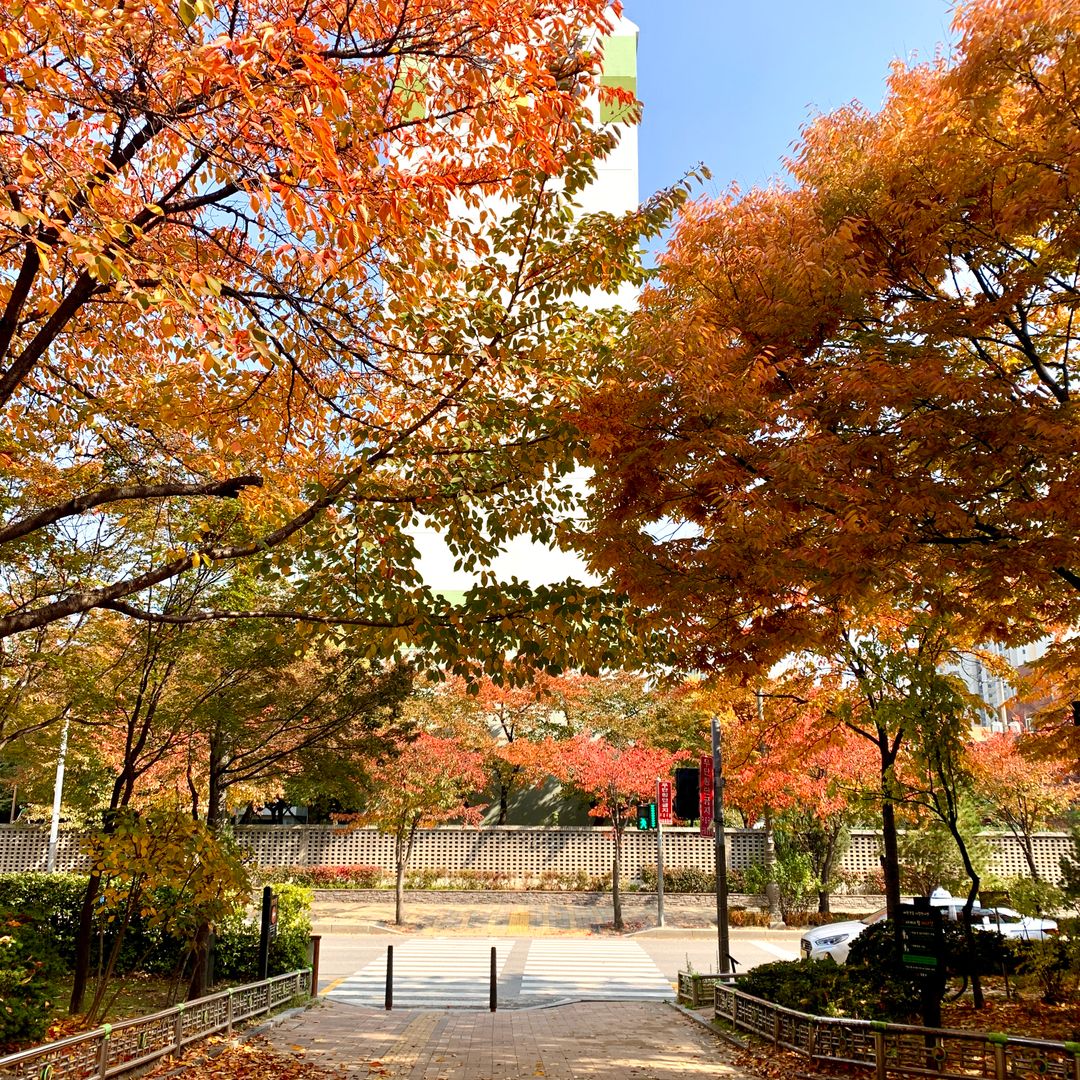
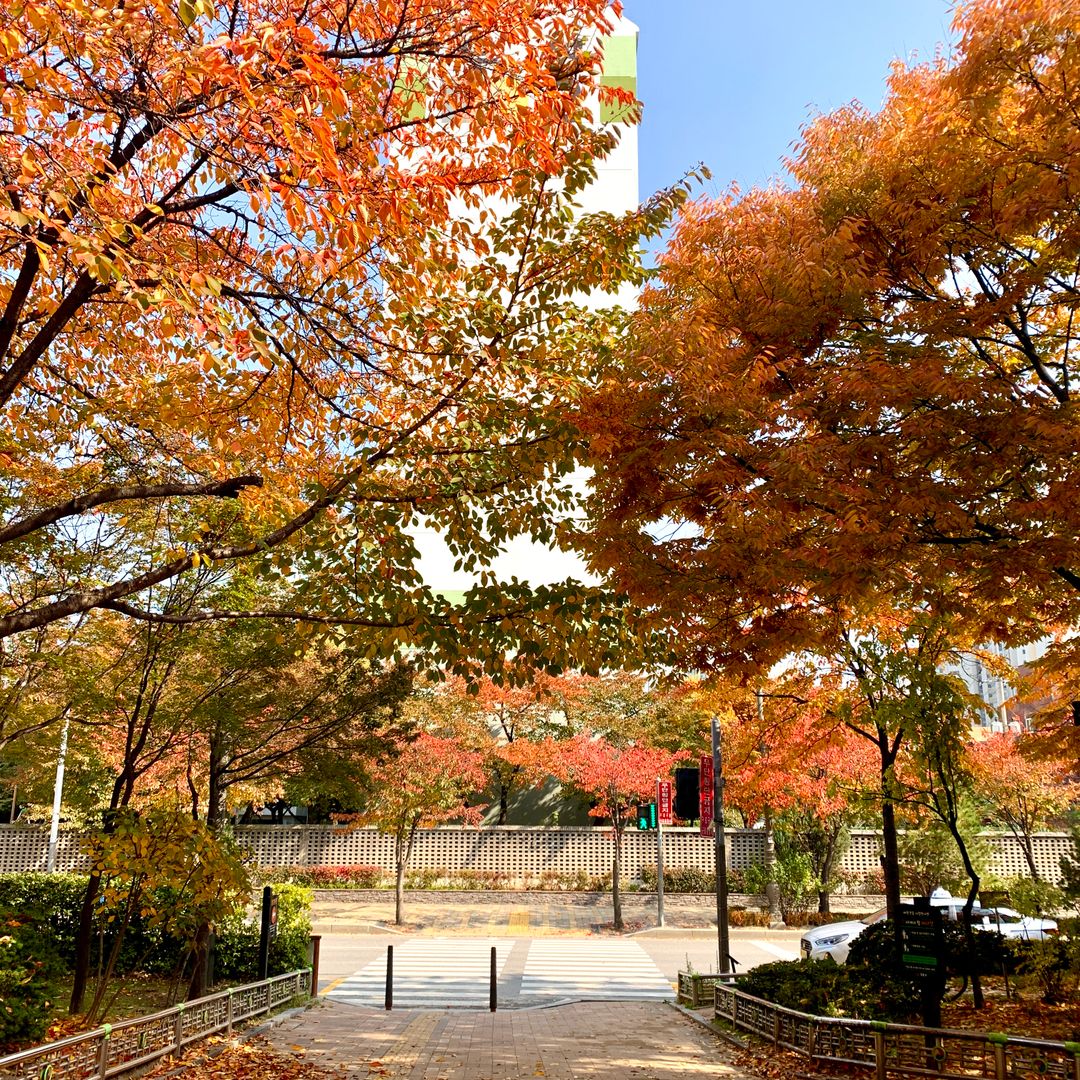
Designing a public-transport-based journey during the peak seasonal color change requires aligning regional rail schedules with accurate foliage transition forecasts. Travelers aiming to experience the autumn foliage Korea itinerary 7 days must coordinateKorail (Korea Railroad Corporation) reservations, subway passes, and regional bus connections to avoid transit bottlenecks. Public transit infrastructure across the country links major urban centers directly with mountainous national parks where red and gold leaves reach their seasonal zenith.
Travelers Suited for This Rail-Based Route
This transit-oriented schedule is built specifically for independent travelers who prefer navigating via subway networks, high-speed rail, and intercity buses rather than renting a car. Visitors who appreciate structured daily movement, efficient ticketing applications, and walkable urban exploration will find this route matches their pace. It also suits those looking to experience both metropolitan autumn festivals and quiet mountain temples without managing complex highway navigation or parking regulations.
Integrated Transit Corridors and Rail Connections
The journey relies heavily on high-speed KTX lines and metropolitan subway systems to bridge distances between destinations. Comprehensive planning for Korea Travel often involves obtaining a rechargeable transit card like T-money or navigating short-term visitor passes available through municipal transport authorities. Regional buses provide the final mile connections from station terminals directly to mountain trailheads.
- Urban Core Transit: Utilizing the Seoul subway network and short-term transit passes for daily inner-city displacement.
- Intercity Rail: Boarding KTX or ITX-Saemaul trains operated by Korail to move efficiently between provincial regions.
- Mountain Shuttles: Taking local green buses or designated seasonal shuttle services from regional terminals to national park entrances.
- Island Exploration: Incorporating ferry links and local buses when expanding the route toward southern destinations like Jeju or coastal provinces, keeping transit predictable.
Timed Daily Itinerary for Peak Seasonal Colors
Day one begins in the capital with a focused exploration of historic palace grounds and adjacent stone-wall walkways framed by changing ginkgo leaves. Day two transitions to nearby mountain trails accessible via suburban subway lines, minimizing long-distance travel on the first weekend. Days three and four involve boarding an early morning KTX train southward to explore ancient temple complexes surrounded by densely forested hillsides. Days five and six focus on coastal or southern provincial parks where the seasonal color change lingers slightly later into the calendar. Day seven returns travelers to the central transit hub for departure preparation, ensuring all rail segments connect smoothly.
Current Costs, Ticketing, and Reservation Logistics
Managing expenses efficiently requires booking high-speed rail tickets through the official Korail website or mobile application as soon as sales open, typically one month prior to departure. Accommodation and admission logistics vary by location, with major cultural heritage sites requiring nominal entrance fees easily paid via transit cards or contactless credit cards.
| Expense Category | Estimated Cost Range (KRW) | Booking Method / Logistics |
|---|---|---|
| High-Speed Rail (KTX) | 40,000 to 60,000 per segment | Korail official app or station ticket counters |
| Metropolitan Subway & Buses | 10,000 to 15,000 per day | Pre-loaded T-money card or Cashbee |
| National Park Admissions | 3,000 to 6,000 per site | On-site ticketing or contactless card terminals |
| Mid-Range Accommodation | 80,000 to 150,000 per night | Direct booking platforms or local hospitality apps |
Accessibility Factors and Seasonal Travel Cautions
Mountain trails and historic palace sites frequently feature uneven stone pathways, gravel tracks, and steep staircases that require sturdy walking shoes and physical preparation. Visitors requiring barrier-free facilities should consult official municipal accessibility guides before visiting older cultural properties. Autumn weather in mountainous regions can shift rapidly from mild afternoon sun to near-freezing temperatures after sunset, making layered clothing essential for all outdoor excursions.
Official Sources and Verified Resources
Official guidance on seasonal foliage fronts, regional festival schedules, and public transport updates is maintained by government tourism bodies. Travelers should consult the Visit Korea KTO portal for verified regional transit maps and festival dates. Comprehensive urban navigation details and municipal transit advisories are provided directly by the Seoul Metropolitan Government. Individuals researching extended lifestyle integration or long-term regional stays alongside their journey can also review resources provided by platforms such as Wedding planners operating within the country. All transit schedules and admission protocols referenced reflect operational standards as of the article’s writing.
자주 묻는 질문 (FAQ)
What is the best time of year to see autumn foliage in Korea?
Peak autumn foliage generally occurs from mid-October through early November, starting in northern mountain regions and moving southward over several weeks.
Do I need to book KTX train tickets in advance during autumn?
Yes, securing high-speed rail tickets via the Korail platform ahead of time is strongly recommended due to high travel demand during the peak seasonal color change.
Can I use a standard transit card for intercity travel?
Standard transit cards like T-money work for local subways and buses, but intercity KTX and express bus journeys require separate ticket purchases.
Are national park trails accessible via public transportation?
Most major national parks provide connecting local bus routes from nearby express rail or bus terminals directly to the mountain trail entrances.
Where can I find official seasonal foliage forecasts?
The official Visit Korea website published by the Korea Tourism Organization provides up-to-date regional foliage timing predictions annually.
Get in Touch
Have questions about your specific situation? Reach out anytime for a personal consultation.