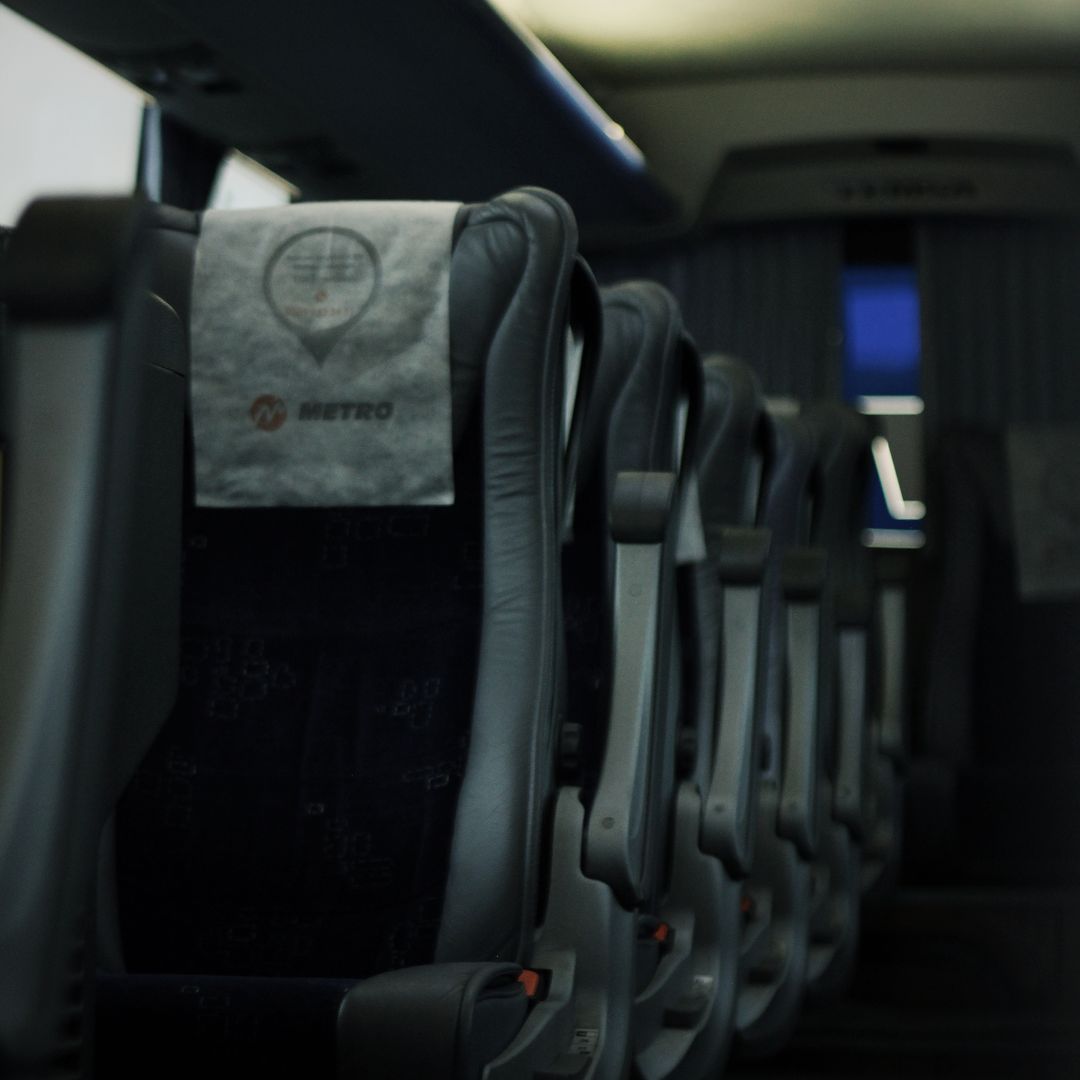

Managing an intercity bus travel Korea budget effectively requires understanding the distinct roles of the two primary bus networks: Express Buses and Intercity Buses. Express buses generally connect major metropolitan hubs with fewer stops, while intercity lines service a broader array of smaller cities and rural transit points. Travelers looking to optimize their Korea Travel plans benefit from recognizing that these systems operate independently in terms of ticketing infrastructure and terminal locations.
Targeting the Ideal Intercity Route
This mode of transport suits independent travelers who prioritize connectivity to secondary cities not served by high-speed rail. Because bus networks reach nearly every corner of the peninsula, they are indispensable for reaching mountainous regions or coastal towns. The flexibility provided by frequent departures allows for spontaneous itinerary adjustments, which is a significant advantage over fixed-schedule train travel.
- Travelers favoring cost-efficiency: Bus fares remain significantly lower than rail alternatives for long-distance routes.
- Off-the-beaten-path explorers: Those seeking to visit historical sites or regional Korea Culture hubs outside major capitals.
- Short-notice planners: Passengers who prefer the ability to purchase tickets at terminals shortly before departure.
Network Integration and Terminal Logistics
Navigating between Seoul and regional provinces typically begins at dedicated terminals such as the Seoul Express Bus Terminal or the Central City Terminal. According to information provided by the Seoul Metropolitan Government, these hubs serve as primary gateways for regional transit. It is vital to confirm the specific terminal for your destination, as some cities utilize separate facilities for express and intercity services.
| Bus Category | Service Scope | Primary Advantage |
|---|---|---|
| Express Bus | Major hubs (e.g., Seoul to Busan) | High speed and frequency |
| Intercity Bus | Small cities and towns | Extensive regional coverage |
| Premium Bus | Select long-distance routes | Enhanced comfort and privacy |
Standardized Itinerary Planning
A typical budget-conscious journey might involve a departure from a central metropolitan hub to a regional cultural site. For instance, planning a trip to a mountainous province involves checking the frequency of direct routes, as some rural destinations may require a transfer at a mid-sized city bus station. By prioritizing direct routes, travelers reduce the risk of missed connections and minimize total transit time.
When incorporating a visit to Jeju, note that bus travel is strictly limited to the mainland, as the island requires air or ferry transport. Once on the mainland, travelers should allocate time for terminal navigation, as major stations are often located near local subway lines to simplify intermodal transfers.
Current Costs and Reservation Protocols
Ticket prices fluctuate based on distance and service class, but they remain a cornerstone of an affordable transit strategy. While many routes offer walk-up availability, weekends and public holidays frequently lead to sold-out buses. As of the article’s writing, utilizing official mobile applications—such as T-Money GO or the integrated bus booking portals—is the most reliable method for securing seats in advance.
According to the Visit Korea portal maintained by the Korea Tourism Organization (KTO), travelers should carry their passport or a valid form of identification when collecting reserved tickets at self-service kiosks.
Accessibility and Seasonal Considerations
Seasonal weather patterns in 2026, including heavy rainfall during the summer or potential snow in the winter months, may occasionally impact bus schedules. Travelers are encouraged to verify status updates at the terminal information desk if departure times appear affected by visibility or road conditions. Furthermore, accessibility features such as wheelchair lifts are becoming more standard on newer express fleets, though prior notification to the bus company is advised for passengers requiring assistance.
자주 묻는 질문 (FAQ)
Can I use the same card for city buses and intercity buses?
No, intercity bus tickets must usually be purchased separately via dedicated apps or at terminal kiosks, unlike local city bus fares which use standard transport cards.
How far in advance should I book my bus seat?
For weekends or peak travel seasons, booking at least 3 to 5 days in advance is recommended to ensure your preferred departure time.
Are there discounts for foreign travelers?
General bus fares are standardized, but some regional tour passes may include limited bus transit benefits for specific travel zones.
Where do I find official bus schedules?
The official Korea Tourism Organization (KTO) website and individual bus terminal portals provide the most accurate, real-time schedule information.
Get in Touch
Have questions about your specific situation? Reach out anytime for a personal consultation.