Implementing a Korea Travel strategy centered on public transit significantly reduces logistical overhead for independent visitors. By utilizing the integrated rail and bus networks, travelers can bypass the necessity of private taxis or tour buses while maintaining full autonomy over their schedule. This approach allows for a structured South Korea budget travel itinerary that prioritizes regional connectivity via the KTX (Korea Train eXpress) and local metropolitan subway systems.
Targeting Efficient Regional Connectivity
This transit-focused route is designed for travelers who prefer independent navigation and seek to minimize transportation expenses without sacrificing access to major cultural landmarks. By utilizing the T-money card system, visitors can seamlessly transfer between subways and buses in Seoul and regional hubs. The strategy relies on consistent usage of the Korail Pass for intercity travel, which provides a fixed-cost solution for extensive rail movement across the peninsula.
| Transport Type | Usage Context | Cost Efficiency |
|---|---|---|
| T-money Card | Local metro and bus transit | High (includes transfer discounts) |
| Korail Pass | Intercity high-speed rail | High (for 3+ regional stops) |
| Airport Railroad | Incheon to City Center | Moderate (fixed fare) |
| Intercity Bus | Remote rural access | Moderate (variable distance) |
Structured Daily Itinerary Flow
An effective 7-day plan typically balances metropolitan exploration with regional heritage sites to optimize travel time. Travelers should coordinate arrival at major transit hubs during off-peak hours to ensure seating availability and reduced congestion.
- Days 1-3: Focus on metropolitan sites accessible via the Seoul subway lines, prioritizing historical palaces and traditional markets where Food options remain affordable.
- Days 4-5: Utilize the KTX network to transition toward Gyeongju or Busan, ensuring that baggage is handled via station storage lockers to maintain mobility.
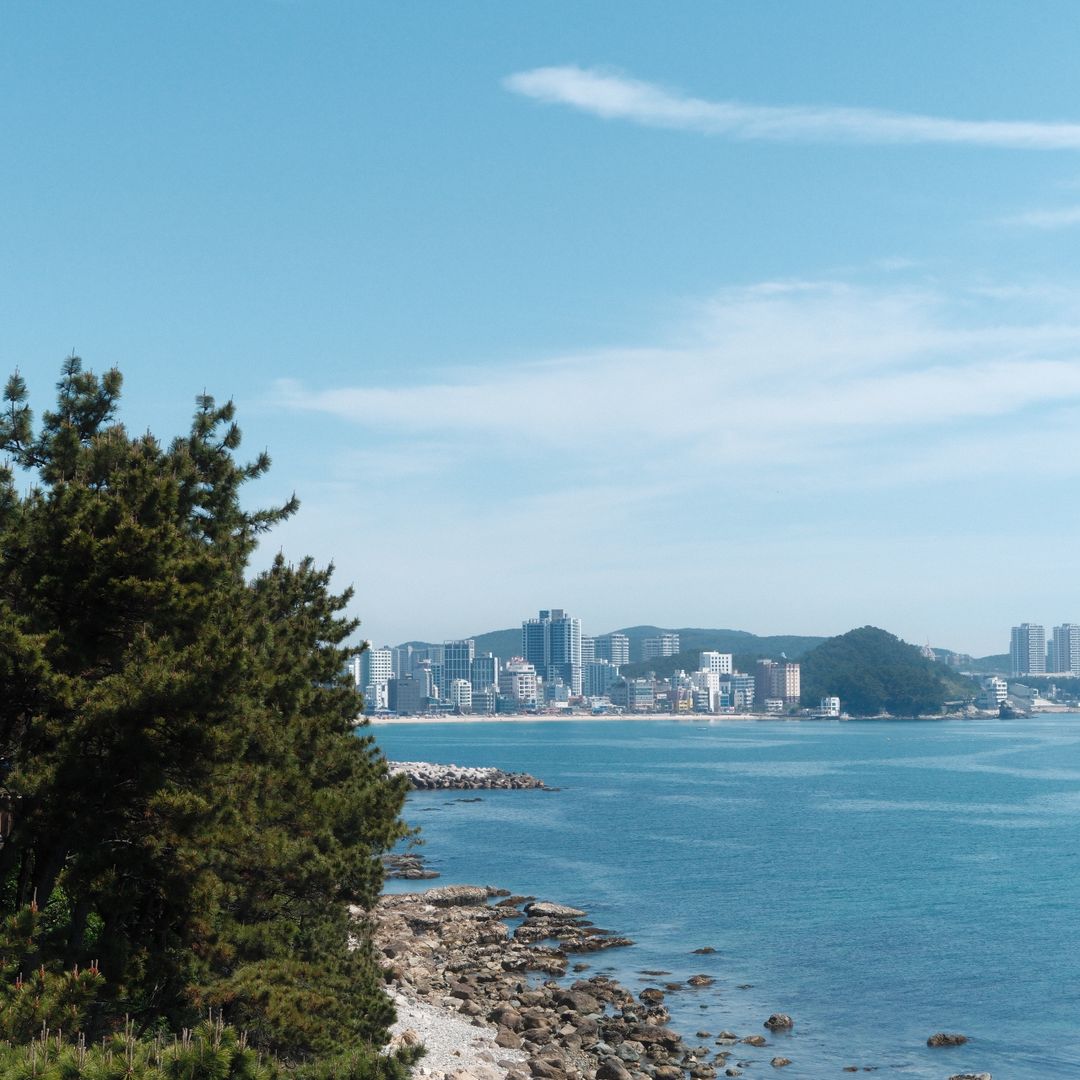
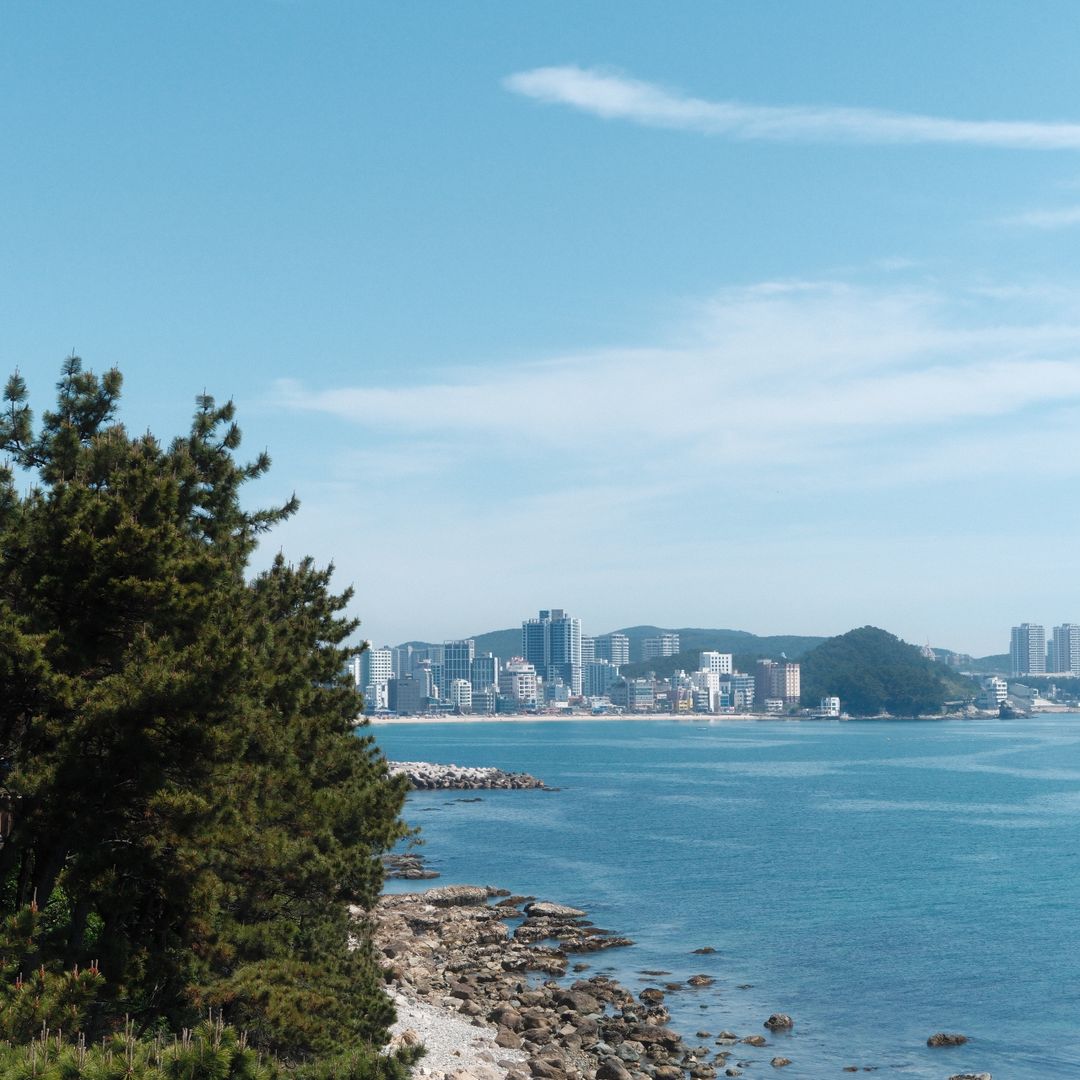
- Days 6-7: Conclude the trip in a coastal or secondary metropolitan area, utilizing local bus networks to reach scenic overlooks or cultural heritage zones before returning to the primary international hub.
Fiscal Management and Admission Logistics
According to data provided by the Korea Tourism Organization (KTO), advance reservation of rail tickets is essential during weekends and public holidays to avoid peak pricing fluctuations. Visitors should verify current admission fees for major palaces and museums through the official Visit Korea portal, as many venues offer integrated ticket packages that reduce cumulative entrance costs.
When planning, it is important to distinguish between essential travel expenses and elective costs like elective Medical Tourism or specialized wellness treatments. For those managing strict budgets, prioritizing free public parks, municipal museums, and self-guided heritage walking tours provides the highest value for time spent.
Seasonal Cautions and Operational Accessibility
Seasonal shifts in Korea, particularly the transition between the summer monsoon and the winter cold, necessitate flexible transit planning. During periods of extreme weather, the Seoul Metropolitan Government may adjust public transit schedules, and travelers should monitor real-time updates via official government apps.
- Winter: Expect shorter daylight hours and potential rail delays; prioritize indoor cultural venues.
- Summer: Humidity levels can impact walking-heavy itineraries; incorporate midday breaks in transit-connected shopping malls or climate-controlled museums.
- Spring/Autumn: High-traffic foliage seasons require earlier booking for all transportation and accommodation segments.
Resources and Official Verification
For the most current transport schedules and regional guides, travelers should consult the Korea Tourism Organization and the Seoul Metropolitan Government websites. These portals provide verified data on transit pass validity and seasonal site closures as of the article’s writing. Always confirm station exit numbers and bus platform locations before departure to ensure seamless navigation through complex urban terminals.
자주 묻는 질문 (FAQ)
Is the Korail Pass worth the cost for a short trip?
The Korail Pass is generally cost-effective if you plan to visit at least three major cities via KTX within a 3-to-5-day window.
How do I handle payments for local buses?
Purchase a T-money card at any convenience store or subway station and load it with cash; it functions for all subways, buses, and even some taxis.
Are there free days for major palace entry?
Many palaces in Seoul offer free admission if you are wearing a traditional Hanbok or if you visit on specific cultural days designated by the government.
Where can I check for real-time subway delays?
Use the official Seoul Metropolitan Government transport app or the monitors located on subway platforms for the latest status updates.
Get in Touch
Have questions about your specific situation? Reach out anytime for a personal consultation.