
Navigating Capital Transit for Efficient Itineraries
Utilizing Seoul Climate Card short-term options allows international visitors and short-term travelers to access unlimited rides on the metropolitan subway and municipal buses without purchasing individual tickets for every transfer. Understanding how these multi-day transit passes function helps streamline travel across complex urban districts, making it easier to connect major cultural venues, historical landmarks, and scenic hiking trails without worrying about cumulative fare charges.
Travelers who plan dense daily schedules benefit greatly from flat-rate transit access that covers both standard subway lines and public buses operated by the Seoul Metropolitan Government. Integrating this transit access into a broader Korea Travel plan minimizes time spent at ticket vending machines and reduces the need to maintain exact cash balances for paper single-journey passes.
Ideal Profiles for Multi-Day Pass Users
Selecting the right transit pass configuration depends heavily on daily movement patterns, length of stay, and planned destinations within the metropolitan area. Visitors focusing on central urban attractions, museums, and continuous transit transitions find the greatest economic value in short-duration unlimited passes compared to traditional reloadable transportation cards like T-money.
- First-time visitors: Travelers navigating the extensive Seoul metropolitan subway network for the first time appreciate the peace of mind that comes with unlimited boarding privileges.
- Museum and cultural enthusiasts: Individuals visiting multiple paid venues across different neighborhoods save significantly on transportation overhead during busy sightseeing days.
- Active urban explorers: Visitors who frequently switch between bus routes and subway lines to reach various Seoul districts avoid accumulating high per-trip charges.
- Budget-conscious planners: Tourists seeking predictable daily transportation expenses find fixed-rate multi-day cards straightforward to budget into an overall itinerary.
Optimized Daily Transit Route
Executing a well-timed urban itinerary requires pairing multi-day transit privileges with efficient routing through high-traffic transit hubs. Starting the morning near major historical palaces allows travelers to utilize subway Line 3 or Line 5 before transferring seamlessly to municipal bus services heading toward elevated viewpoints or cultural districts.
- 09:00 – 11:30: Board the subway using the unlimited transit pass to reach Gyeongbokgung Palace, exploring the main throne hall and surrounding historical grounds before crowds peak.
- 11:30 – 13:00: Take a short municipal bus ride to an adjacent traditional market area for lunch, taking advantage of free bus-to-subway transfer windows if applicable.
- 13:00 – 16:30: Utilize the subway network to transition toward eastern cultural complexes or riverside parks, ensuring all transit gates open smoothly with the active short-term card.
- 16:30 – 19:00: Conclude the afternoon travel block by heading to an elevated city park or scenic ridge trail for sunset views over the sprawling metropolitan skyline.
Fare Structures and Purchasing Logistics
Acquiring a short-duration unlimited transit card involves specific purchasing steps at designated customer service centers, major subway station kiosks, or participating convenience stores throughout the capital. Visitors must purchase a physical card base and then load the specific duration tier that matches their travel timeline, ranging from one-day to multi-day configurations.
| Card Duration Tier | Primary Transit Coverage | Estimated Cost Range (KRW) | Best Suited For |
|---|---|---|---|
| 1-Day Pass | Seoul subways and municipal buses | Standard baseline rate | Rapid transit-heavy day trips |
| 2-Day Pass | Seoul subways and municipal buses | Moderate multi-day rate | Weekend city getaways |
| 3-Day Pass | Seoul subways and municipal buses | Extended multi-day rate | Comprehensive sightseeing itineraries |
| 5-Day Pass | Seoul subways and municipal buses | Maximum duration rate | Extended urban stays and deep exploration |
According to guidelines published by the Seoul Metropolitan Government, users must ensure their chosen pass corresponds strictly to eligible subway lines and authorized city bus routes, as regional trains and out-of-city connections may require separate ticketing. Similar attention to logistical detail is essential when planning other specialized journeys, such as organizing documentation for a destination Wedding or coordinating regional travel connections.
Operational Boundaries and Seasonal Considerations
While multi-day transit cards offer immense convenience, travelers should note that certain private rail lines, Shinbundang Line segments outside specific zones, and intercity buses are excluded from unlimited pass coverage. Checking route maps beforehand prevents unexpected fare deductions or ticketing errors at exit gates.
Note: Always verify current line exclusions and station boundaries on the official Visit Korea portal managed by the Korea Tourism Organization (KTO) before embarking on complex cross-city itineraries during peak seasonal travel periods.
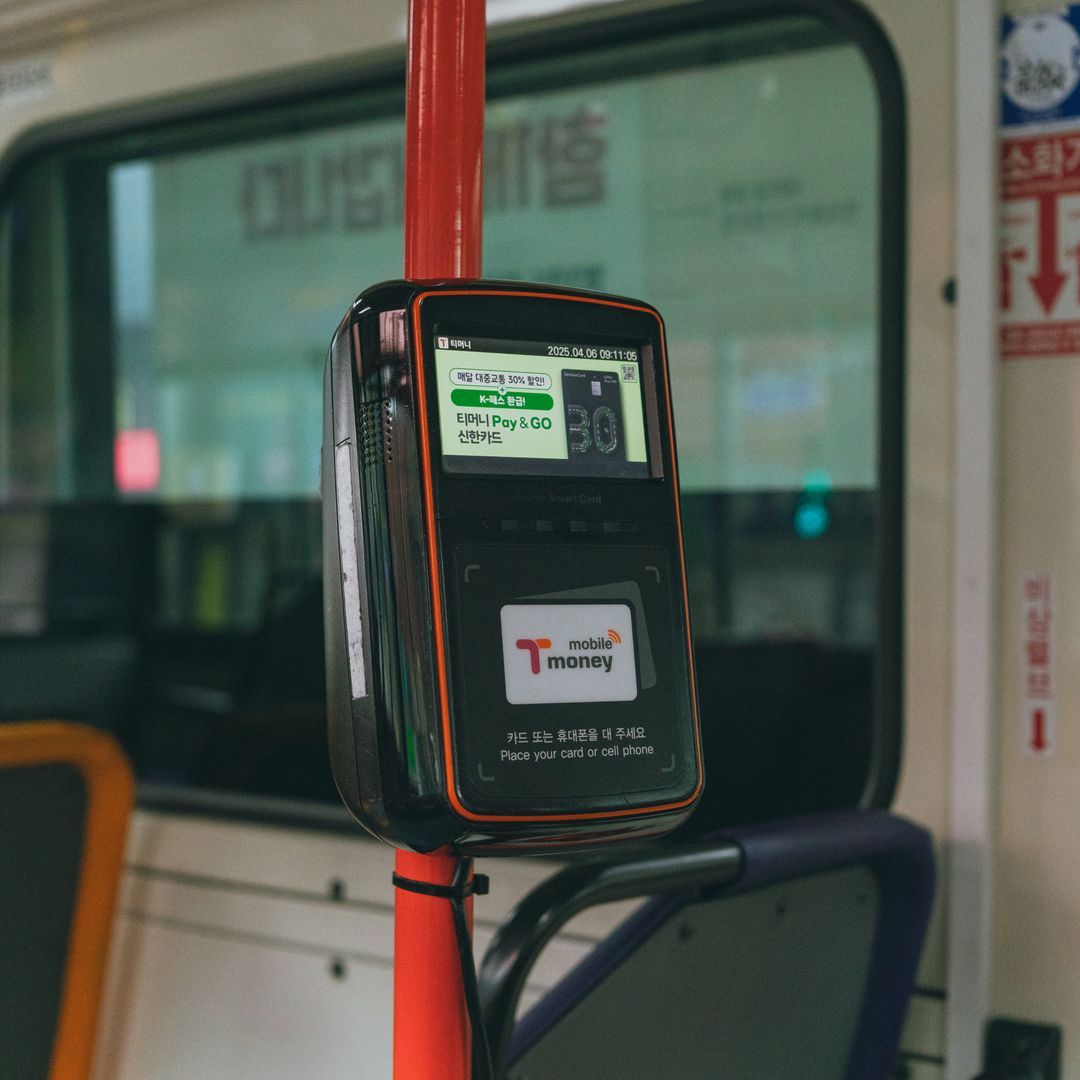
Seasonal weather shifts also impact daily travel speeds across the capital, requiring flexible timing during heavy summer monsoon downpours or winter snowfalls. Keeping physical backup payment methods or a secondary T-money card loaded with emergency funds ensures uninterrupted mobility even if temporary network adjustments occur.
Official References and Checked Data
For the most current tariff schedules, authorized retail locations, and exact operational rules regarding short-duration municipal transport passes, consult official administrative portals. Authoritative resources include the Seoul Metropolitan Government English portal (https://english.seoul.go.kr) and the official Visit Korea travel guide maintained by the Korea Tourism Organization (https://english.visitkorea.or.kr).
Data verified as of the article’s writing indicates that pass validation begins immediately upon the first touch at a station turnstile or bus terminal validator. Travelers should retain their physical card throughout the validity period to ensure smooth passage through all automated station gates.
자주 묻는 질문 (FAQ)
Where can I purchase short-term transit passes in Seoul?
Short-term unlimited transit passes can be purchased at customer safety service offices inside major subway stations, designated station ticket kiosks, and participating convenience stores across the city.
Are all subway lines in the metropolitan area included in the short-term pass?
Most Seoul municipal subway lines and city buses are fully covered, but certain regional lines, out-of-city extensions, and specific private railway segments are excluded from unlimited pass privileges.
Can I use the short-term transit pass on airport limousines or intercity buses?
No, airport limousine buses, intercity coaches, and late-night express buses operate outside the standard municipal transit network and require separate ticketing.
What happens if my short-term transit pass expires while I am mid-journey?
If a pass expires during travel, standard exit gate errors may occur, requiring passengers to settle any adjusted fare differences at the station adjustment window or customer service desk.
Do children qualify for discounted short-term transit cards?
Children and teenagers generally qualify for reduced-rate transit options through separate child-specific ticketing structures rather than standard adult unlimited passes.
Get in Touch
Have questions about your specific situation? Reach out anytime for a personal consultation.