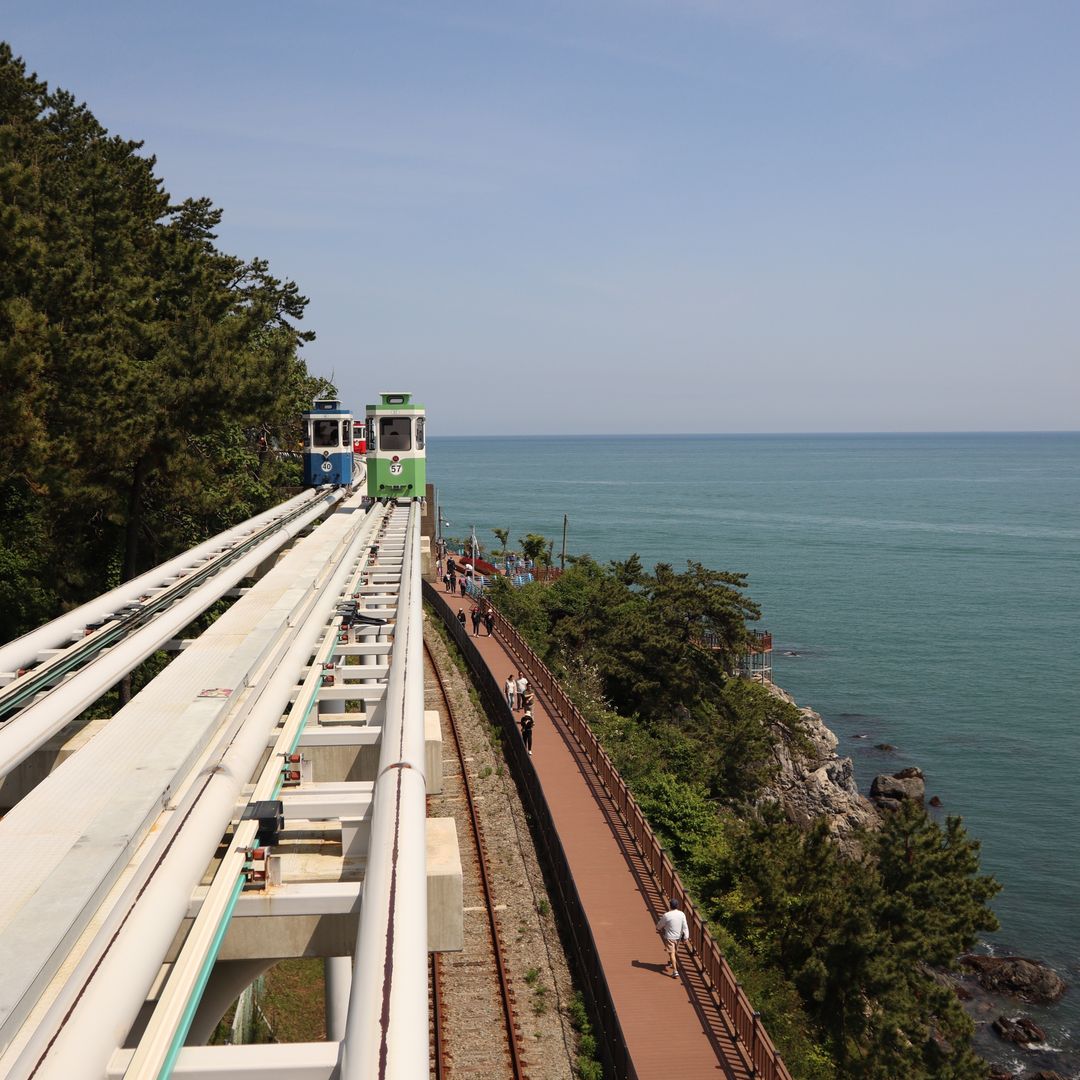
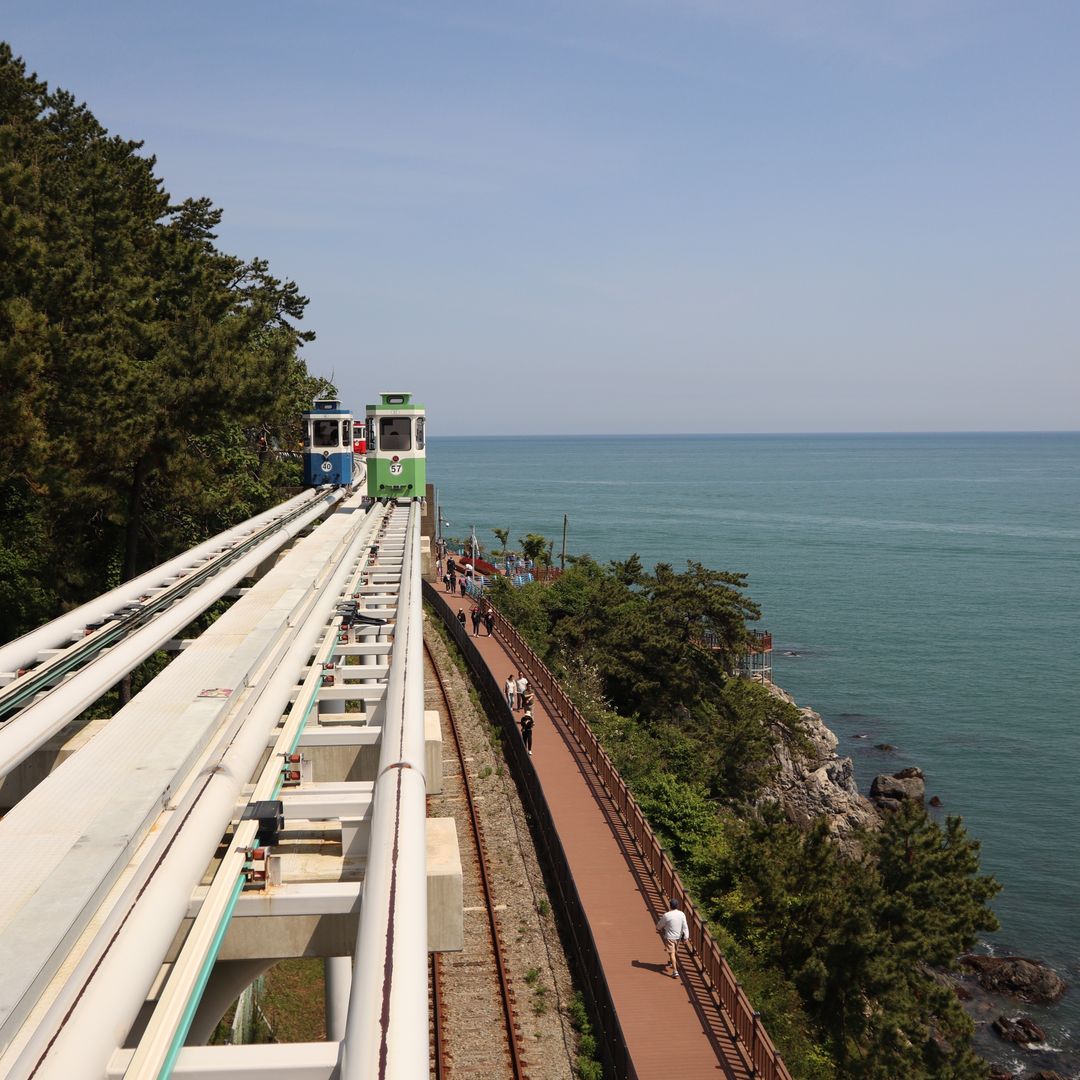
Coastal cities Korea train routes provide a highly efficient framework for travelers looking to navigate the nation’s eastern seaboard without relying on private vehicles. By leveraging the KTX-Eum (a high-speed train serving rural and coastal lines) and the wider Korail network, visitors can seamlessly connect metropolitan hubs like Seoul to the rugged beauty of the East Sea. This logistical approach prioritizes direct transit hubs, ensuring that regional movement remains tied to established public infrastructure rather than unpredictable road traffic.
Travelers who prioritize efficiency and scenic transit benefit most from these rail-based itineraries. The system is particularly well-suited for those who prefer to minimize transit fatigue while visiting multiple destinations along the coastline. Because the rail network integrates directly with local bus loops, it remains a practical choice for international visitors who may not have access to a local driving permit or who prefer sustainable, rail-based exploration.
The core transport route typically begins at Cheongnyangni Station in Seoul, which serves as the primary gateway for the Gangneung and Donghae lines. From this point, the rail infrastructure facilitates rapid access to major nodes including Gangneung, Donghae, and Samcheok. According to the Visit Korea KTO (https://english.visitkorea.or.kr) guidelines, travelers should confirm their station of arrival, as some coastal destinations require a transfer to local transit to reach specific beach districts or hiking trailheads.
| Route Segment | Estimated Travel Time | Primary Rail Service |
|---|---|---|
| Seoul to Gangneung | 2 Hours | KTX-Eum |
| Gangneung to Donghae | 45 Minutes | Nuriro / KTX-Eum |
| Donghae to Samcheok | 20 Minutes | Regional Train |
A balanced three-day itinerary allows for sufficient time to explore regional highlights without overextending travel logistics. On the first day, departing from Seoul to Gangneung provides immediate access to coastal cafes and the famous Gyeongpo area. The second day focuses on moving south toward Donghae, where the dramatic cliffside views of Chuam Beach are easily accessible via the local station. Finally, the third day can be reserved for exploring the food markets in Samcheok before returning to the capital.
Current pricing and reservation protocols require advance planning, especially during peak holiday periods. Tickets are available through the official Korail portal or at station kiosks, and prices remain fixed regardless of the booking platform. While rail travel is highly reliable, users should account for seasonal variations, such as heavy snowfall in winter or high visitor volume during summer, which may impact ticket availability.
Accessibility remains a priority for the rail system, with most major stations offering lift access and designated spaces for luggage. Travelers planning an excursion should note the following operational realities:
- Reservation timing: Tickets typically open for purchase one month in advance, and high-demand weekend slots often sell out quickly.
- Language support: The Korail website and mobile application provide English interfaces to assist with seat selection and payment processing.
- Station facilities: Most coastal stations include luggage lockers, though these are limited in number during peak tourist seasons.
- Connection gaps: While the trains are punctual, local buses connecting stations to specific beaches may follow less frequent schedules in rural coastal areas.
For those interested in extending their journey beyond the mainland, regional ferry terminals often connect to Jeju or other islands, though these require separate booking processes. As noted by the Seoul Metropolitan Government (https://english.seoul.go.kr), maintaining a flexible schedule is essential when switching between high-speed rail and local transit modes. Whether you are traveling for a special occasion, such as a wedding-related tour or a simple seasonal escape, the infrastructure remains the most dependable way to traverse the coast.
자주 묻는 질문 (FAQ)
Can I use a rail pass for travel to coastal cities?
Yes, the Korea Rail Pass (KR PASS) covers most KTX and regional trains on these routes, allowing for flexible travel within a set duration.
Is there high-speed rail service to all coastal towns?
High-speed KTX-Eum service connects major hubs like Gangneung, but smaller towns often require a transfer to regional trains or local buses.
How far in advance should I book my train tickets?
It is recommended to book at least two to four weeks in advance, especially for weekend travel or during major holidays.
Are there lockers for large luggage at coastal stations?
Most major stations have lockers, but availability is limited; planning to travel light is recommended if you intend to move between multiple cities.
Get in Touch
Have questions about your specific situation? Reach out anytime for a personal consultation.