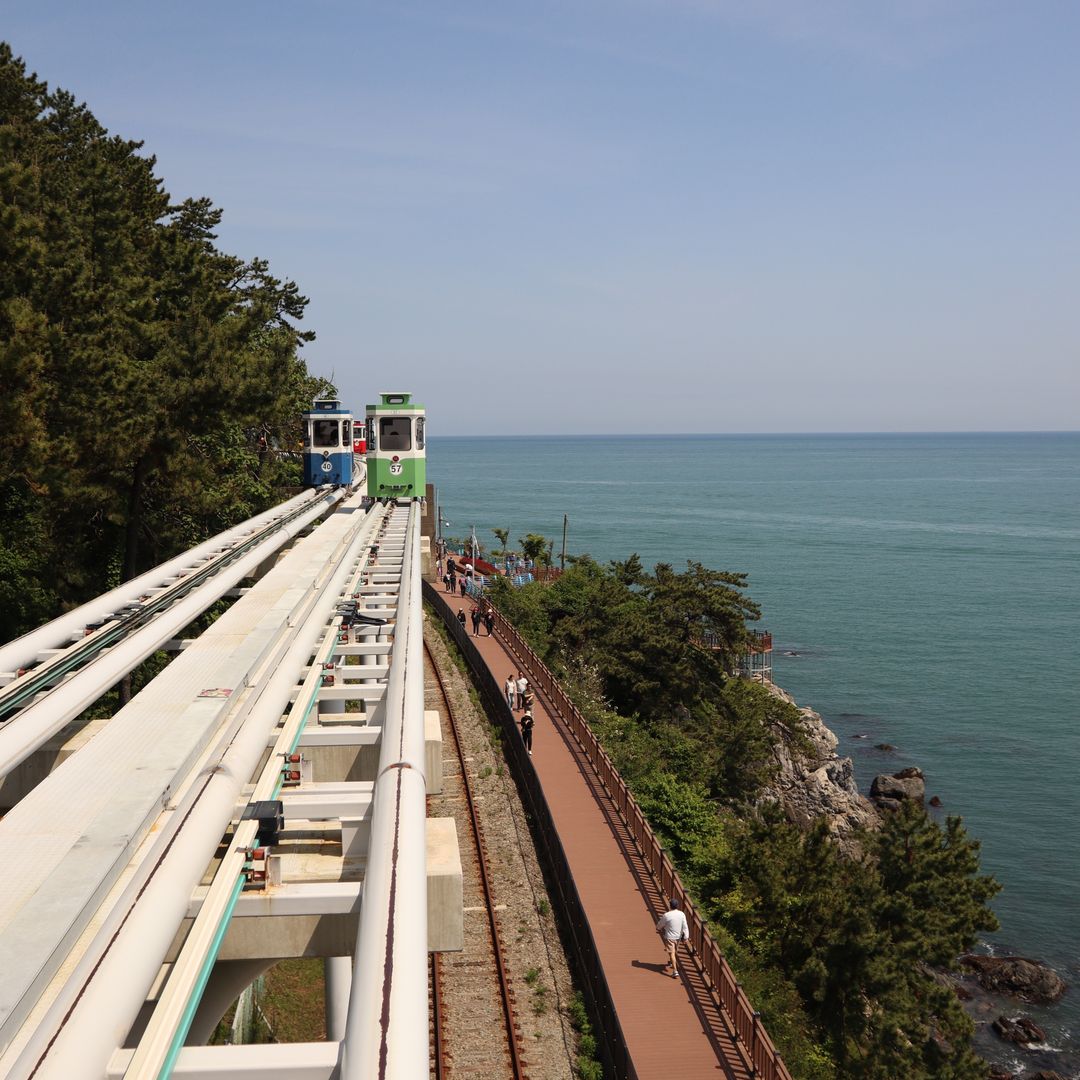
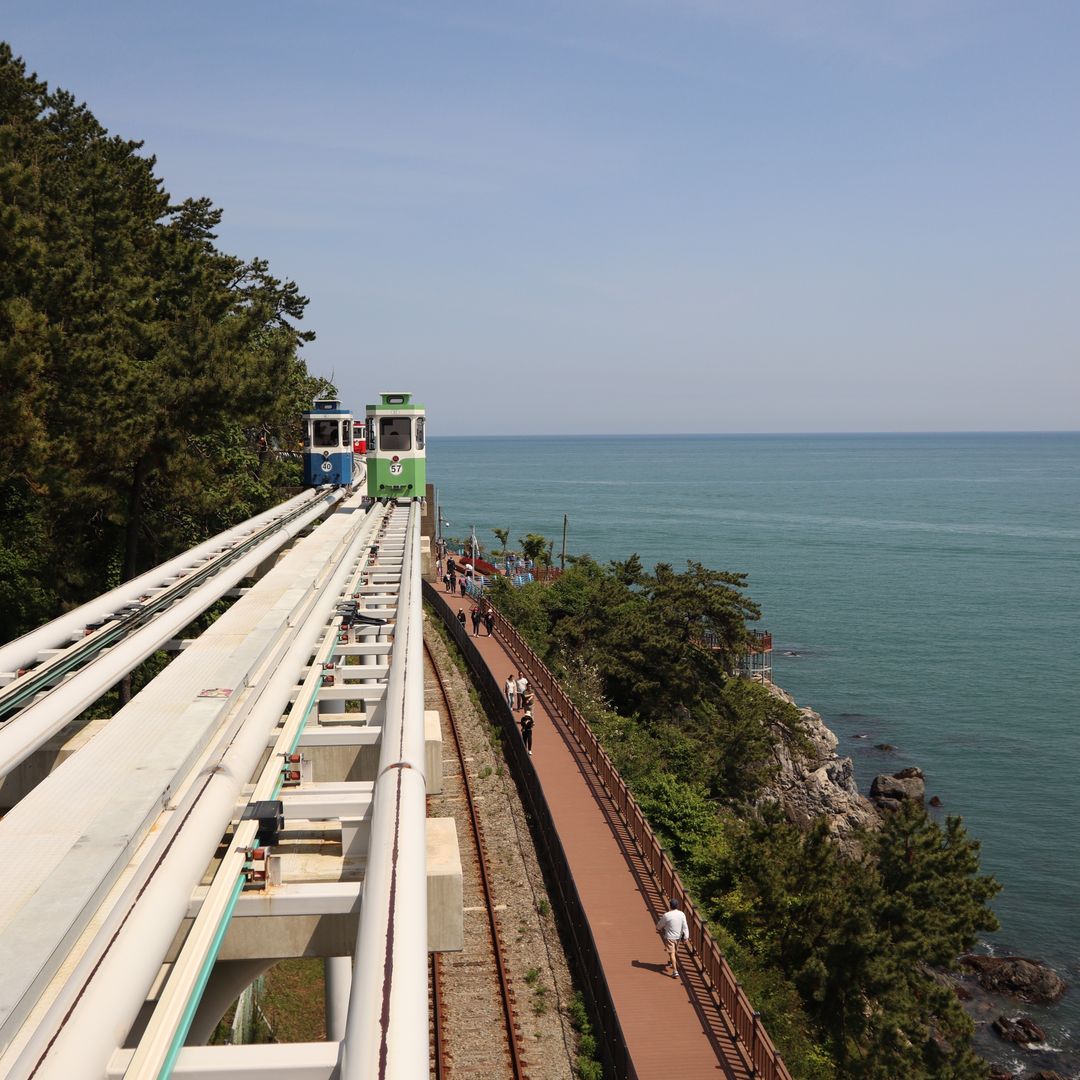
Coastal cities Korea train routes provide a reliable framework for travelers aiming to bridge the distance between urban hubs and the peninsula’s eastern shoreline. Utilizing the KTX (Korea Train eXpress) and Mugunghwa networks allows for efficient movement between metropolitan centers and maritime destinations without the need for private vehicle rentals. This transit strategy prioritizes proximity to rail stations, enabling visitors to manage their Korea Travel logistics through centralized ticketing portals and localized public transit systems.
Targeted Rail Connectivity for Regional Exploration
This transit method is most effective for individuals seeking a balance between efficient long-distance travel and localized immersion. By anchoring an itinerary to the rail network, travelers can bypass the congestion often found on major expressways during peak seasons. While some regions, like Jeju, require maritime transfers, the mainland coastal routes remain the primary choice for those focusing on the East Sea corridor. Those interested in combining urban sightseeing with Hiking near the shoreline will find that rail stations often serve as the primary gateway to provincial trailheads. Furthermore, visitors seeking Medical Tourism services in coastal hubs like Busan can rely on high-speed rail connectivity to manage appointment schedules alongside leisure activities.
Strategic Transport Corridors
The primary artery for coastal exploration is the Donghae Line and its integration with the KTX-Eum high-speed network. This infrastructure connects the Seoul metropolitan area to major eastern ports, effectively reducing travel time compared to traditional bus routes.
| Route Segment | Primary Train Type | Typical Transit Time |
|---|---|---|
| Seoul to Gangneung | KTX-Eum | Approx. 120 Minutes |
| Busan to Pohang | Donghae Line (Subway/Regional) | Approx. 60 Minutes |
| Seoul to Busan | KTX/SRT | Approx. 150-170 Minutes |
Itinerary Sequencing for Coastal Transit
Effective transit planning requires a logical flow that minimizes backtracking. A common route begins in the capital and moves southward, utilizing the following structure:
- Phase 1: Depart Seoul Station or Cheongnyangni Station for the East Sea region.
- Phase 2: Utilize local bus networks, which are highly integrated with station arrival times, to reach coastal heritage sites.
- Phase 3: Transition to the southeastern rail lines to access major port cities, ensuring all transfers occur within the managed station zones.
- Phase 4: Conclude the journey in a southern hub, where high-speed return options to the capital are frequent.
Reservations and Fiscal Planning
Travelers should manage all bookings via the official Korail website or the official application. Reservations for peak weekend slots should be finalized at least two weeks in advance, as coastal routes experience high demand from domestic tourists.
According to the Korea Tourism Organization (KTO), travelers should verify seat availability and station accessibility through the official English-language portals to avoid service disruptions during public holidays.
Accessibility and Seasonal Considerations
Station accessibility in Korea is high, with elevators and tactile paving standard across all major terminals. When planning for seasonal shifts in 2026, keep the following variables in mind:
- Summer Peak: Coastal routes see significant crowding in July and August; advance booking is non-negotiable.
- Winter Weather: While rail service is rarely interrupted by snow, local bus connections in mountainous coastal regions may adjust schedules based on road conditions.
- Platform Navigation: The Seoul Metropolitan Government advises visitors to allow at least 20 minutes for transfers within large metropolitan hubs like Seoul Station or Busan Station to account for foot traffic.
Official Resources
For the most accurate scheduling and service updates, consult the primary government-affiliated transit databases. These platforms provide real-time status updates and accessibility information required for planning a reliable coastal journey.
- Visit Korea (KTO): https://english.visitkorea.or.kr
- Seoul Metropolitan Government: https://english.seoul.go.kr
- Korail Booking Portal: https://www.letskorail.com
자주 묻는 질문 (FAQ)
Can I use a rail pass for coastal travel?
Yes, the Korea Rail Pass (KR PASS) allows for unlimited travel on most trains, including KTX, for a set number of days.
Are trains wheelchair accessible?
Most KTX and newer regional trains are fully accessible; contact the station in advance for assistance with boarding ramps.
How far in advance can I book tickets?
Tickets typically open for reservation 30 days before the departure date via the official Korail website.
Is the subway connected to the train stations?
Yes, major KTX stations are directly integrated with urban subway lines for seamless city-wide transit.
Get in Touch
Have questions about your specific situation? Reach out anytime for a personal consultation.