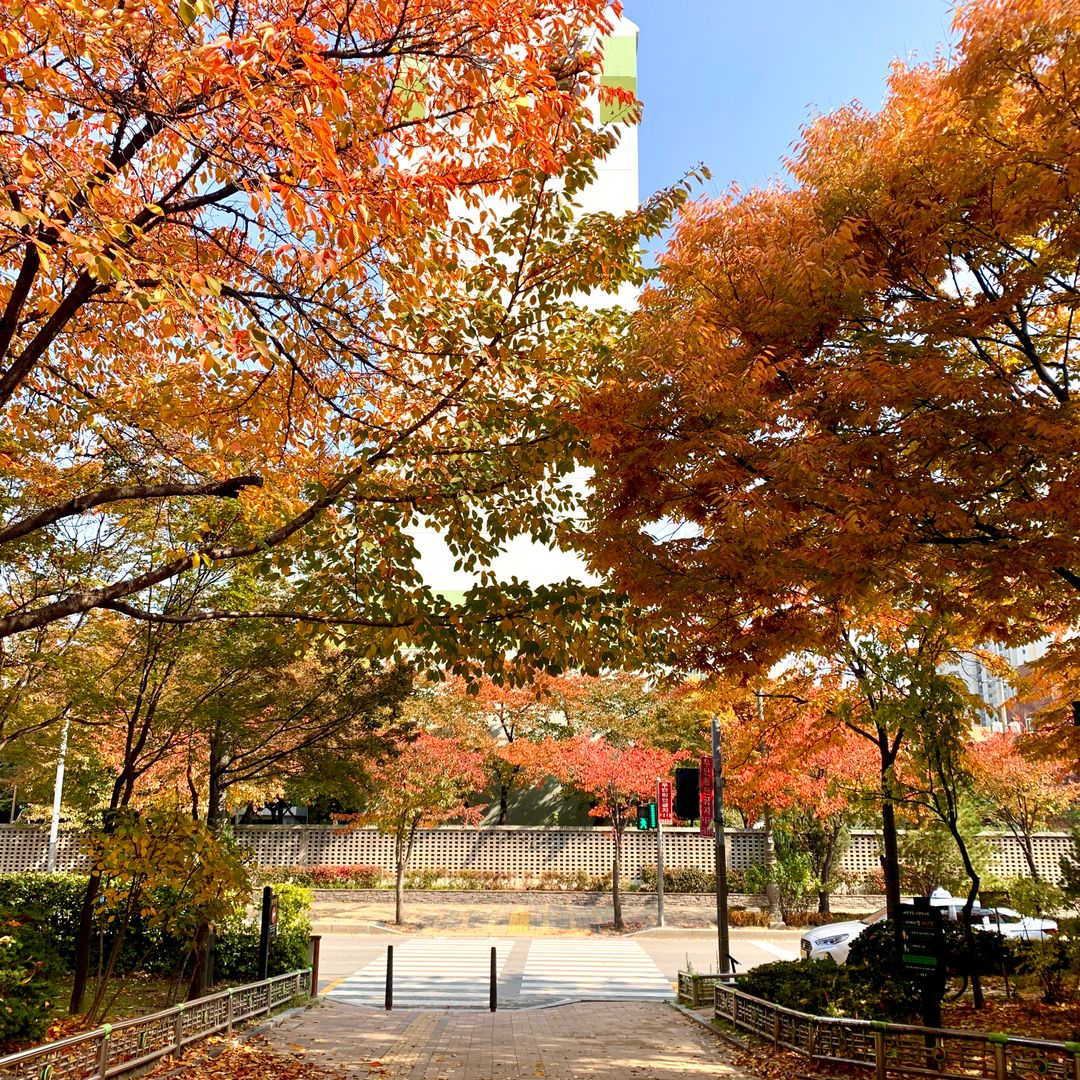
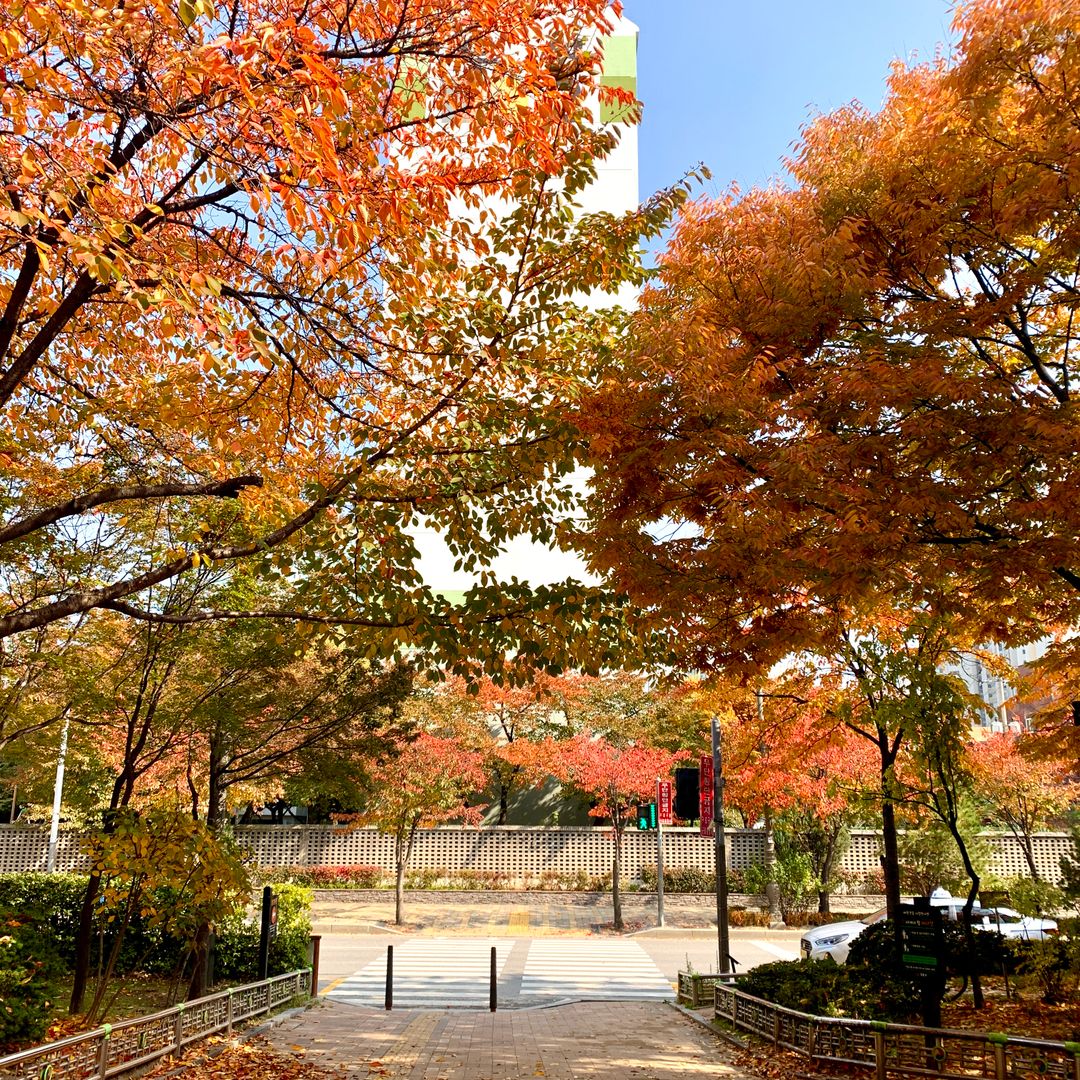
Planning an autumn foliage Korea itinerary 7 days requires balancing mountain transit schedules with the shifting peak colors of the season. This route utilizes the Korea Train Express (KTX) and local subway networks to bridge the gap between Seoul’s historic palaces and the deeper forest trails of the southern provinces. Travelers relying on public transport will find that integrated rail systems provide the most consistent access to major viewing sites.
Targeting the Optimal Autumn Route
This itinerary is designed for independent travelers comfortable with navigating regional transit hubs without private vehicles. By focusing on major rail arteries, participants can minimize time spent in traffic during the peak foliage season. Those interested in further details regarding regional accessibility should consult Korea Travel resources for specific station layouts.
- Day 1-2 (Seoul): Focus on palace grounds and urban parks where ginkgo and maple trees reach peak color early.
- Day 3-4 (Gyeongju): Transition to the southeastern historic capital, utilizing high-speed rail to reach sites where temple architecture frames the autumn backdrop.
- Day 5-6 (Busan/Jirisan region): Explore coastal foliage or connect to regional buses for deeper mountain exploration.
- Day 7 (Return to Seoul): Utilize the final day for central city sightseeing or transit back to Incheon for departure.
Transit and Regional Connectivity
The most efficient method to traverse these regions is via the KTX network. According to the Visit Korea KTO, rail passes are available for international visitors and provide unlimited travel on most national trains for set durations.
| Transport Type | Primary Usage | Booking Requirement |
|---|---|---|
| KTX/SRT | Intercity transit (Seoul-Gyeongju-Busan) | Highly recommended 1-2 weeks prior |
| Subway/Local Bus | Intra-city movement to trailheads | T-money card (tap-on, tap-off) |
| Intercity Bus | Access to remote mountain areas | Purchase at terminal or online |
For those specifically interested in Hiking, note that local buses frequently adjust their schedules during the foliage peak to accommodate increased passenger volume at major mountain trailheads. It is advisable to check the official Seoul Metropolitan Government portal for localized transit updates if your route includes regional Gyeonggi-do mountains.
Logistics and Seasonal Planning
Autumn foliage follows a predictable pattern, typically moving from northern latitudes and higher elevations southward throughout October and early November. Travelers should monitor the official foliage forecast provided by national agencies to refine their specific dates.
Preparation for this type of travel involves more than just transit planning. Consider the following logistical points:
- Food accessibility: Explore local Food culture by visiting traditional markets near train stations, which often feature seasonal delicacies.
- Event planning: If your visit coincides with a local festival or a significant social gathering, such as a Wedding, ensure you book regional transport in advance.
- Mountain safety: Daylight hours shorten significantly in late autumn, so plan all trail-based activities to conclude by mid-afternoon.
Operational Cautions for Autumn Visitors
While public transport is reliable, peak foliage periods see a high concentration of domestic tourists heading to popular national parks. Expect longer queues for local buses connecting rail stations to mountain entrances. Always carry a physical T-money card with sufficient credit, as mobile payment systems may occasionally face regional compatibility issues in rural bus terminals. As of the article’s writing, the national rail operator requires passengers to present their passports alongside digital booking confirmations at major terminals.
자주 묻는 질문 (FAQ)
How far in advance should I book KTX tickets for autumn travel?
It is recommended to book your tickets at least 14 days before your departure date, especially for travel on weekends or during the peak foliage weeks.
Do I need to buy separate tickets for every bus and train?
You can use a T-money card for all subways and city buses, but for long-distance KTX or intercity buses, separate, pre-purchased tickets are required.
Is the Korea Rail Pass worth it for a 7-day trip?
The pass is cost-effective if you plan on taking more than two long-distance round trips between major cities like Seoul, Gyeongju, and Busan.
How do I check for real-time foliage updates?
The Visit Korea website provides regional color progression maps that are updated weekly throughout the autumn season.
Get in Touch
Have questions about your specific situation? Reach out anytime for a personal consultation.